Thai Massage as a Sacred Practice: Beyond the Tourist Parlour
Walk into any temple in Bangkok at dawn and you'll find something most tourists never see: elderly Thai women receiving traditional massage from temple practitioners, often for free, as part of their spiritual routine. This is Thai massage as it was meant to be, not as the commercialized industry has packaged it for foreign consumption.
Thai massage, or nuad thai, is not just bodywork. It is a 2,500-year-old healing tradition rooted in Buddhist philosophy, Ayurvedic medicine, and indigenous Thai wisdom. Understanding its sacred origins changes everything about how you experience it, and where you choose to receive it.
The Sacred Roots of Nuad Thai
Thai massage traces its lineage to Jivaka Kumar Bhaccha, the Buddha's personal physician, who is still revered as the father of Thai medicine. Before every traditional session, authentic practitioners perform a wai khru ceremony, honoring this lineage through prayer and meditation. This isn't theater for tourists. It's genuine spiritual preparation.
The practice arrived in Thailand with Buddhist monks from India around the 3rd century BCE. Temples became centers of healing, where massage was inseparable from spiritual practice. Wat Pho in Bangkok, built in 1788, remains Thailand's most important repository of traditional massage knowledge. Its walls are covered with ancient diagrams showing energy lines, pressure points, and healing techniques.
What makes Thai massage sacred isn't mystical energy alone. It's the Buddhist concept of metta, or loving kindness. Traditional practitioners approach each session as meditation in motion, channeling compassion through touch. The receiver becomes a partner in healing, not a passive client.
Understanding the Sen Lines
Thai massage works along sen lines, energy pathways similar to meridians in Chinese medicine. There are 72,000 sen lines in the body according to traditional texts, though practitioners focus on ten main channels. These lines carry lom, or wind energy, throughout the body.
When lom becomes blocked, illness follows. Thai massage uses rhythmic pressure, stretching, and joint manipulation to restore flow. This isn't pseudoscience when practiced correctly. The techniques genuinely improve circulation, flexibility, and muscle tension through proven biomechanical principles.
The sacred element lies in the practitioner's intention. Traditional healers view themselves as conduits, not controllers. They read the body's needs through touch, adapting pressure and technique intuitively. This requires years of training and deep cultural understanding that most commercial operations simply don't provide.
Where Sacred Practice Survives
Authentic sacred massage still exists in Thailand, but you need to know where to look. Wat Pho's traditional medicine school offers treatments by advanced students and masters. Sessions begin with proper wai khru ceremonies and cost 500 baht for 90 minutes. The environment is clinical but reverent.
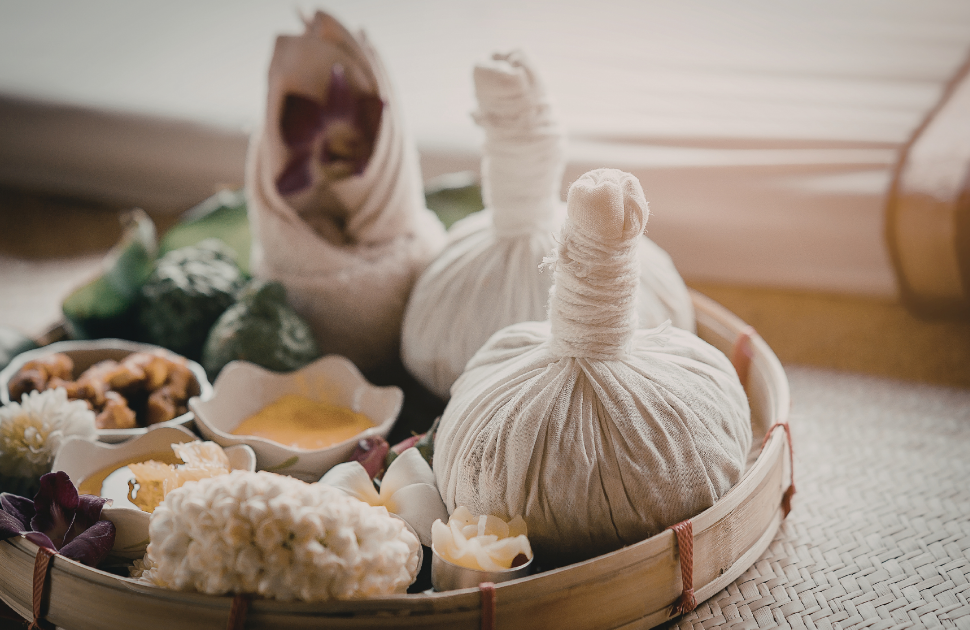
In Chiang Mai, the Old Medicine Hospital has preserved traditional techniques since 1962. Their treatments incorporate herbal compresses, meditation, and dietary advice. Practitioners train for minimum three years before treating patients independently. Sessions cost 800 to 1,200 baht but represent authentic tradition.
Rural temples across Isan still practice community massage, where local healers treat villagers for donations rather than set fees. These sessions happen on temple grounds, often outdoors, with multiple people receiving treatment simultaneously. Finding these requires local connections and basic Thai language skills, but the experience connects you to massage's true communal origins.
How Commerce Changed Everything
Tourism transformed Thai massage from sacred practice into commercial product. The shift began in the 1960s as international visitors discovered the technique's physical benefits without understanding its spiritual context. Demand created an industry that prioritized convenience and sensual appeal over traditional methodology.
Modern massage parlors strip away ritual elements that foreign clients might find confusing or time consuming. The wai khru ceremony disappears. Sessions happen in darkened rooms with music instead of temple courtyards with natural sounds. Practitioners learn basic techniques in weeks rather than years.
Some changes serve legitimate purposes. Air conditioning and private rooms make treatments more comfortable. Professional licensing ensures basic hygiene standards. But when massage becomes pure commodity, its transformative power diminishes significantly.
The most problematic development has been massage parlors offering sexual services under the Thai massage umbrella. This association damages the tradition's reputation and creates confusion for sincere seekers of authentic healing.
Recognizing Authentic Practice
Several markers distinguish sacred practice from commercial imitation. Authentic practitioners begin with questions about your health, stress levels, and physical concerns. They may check your pulse or examine your tongue, using traditional diagnostic methods.
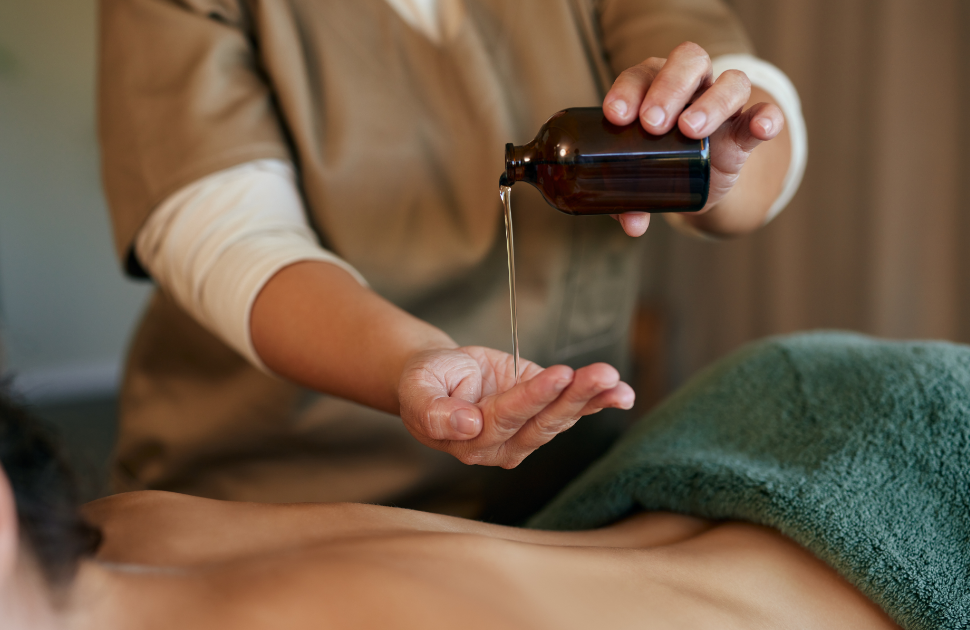
The treatment space matters enormously. Traditional settings feel calm and purposeful, never rushed or commercial. Practitioners wear simple, modest clothing and maintain professional boundaries throughout. The atmosphere encourages relaxation and introspection rather than entertainment.
Authentic Thai massage happens fully clothed in loose, comfortable garments provided by the practitioner. Sessions last 90 minutes to two hours minimum. Shorter treatments cannot address the body's energy systems comprehensively, regardless of marketing claims.
Pricing provides another clue. Sacred practice costs significantly more than tourist massage because practitioners invest years in proper training. Expect to pay 800 to 2,000 baht at legitimate traditional centers. Street prices of 200 to 300 baht indicate abbreviated technique and minimal training.
Preparing for Sacred Experience
Approaching Thai massage as sacred practice requires different preparation than booking a spa treatment. Arrive with open mind and genuine intention to heal, not just relax. Avoid alcohol or heavy meals for several hours beforehand, as these interfere with energy flow.
Communicate honestly about injuries, health conditions, and comfort levels. Traditional practitioners adapt techniques based on individual needs, but they need accurate information to work safely and effectively.
During treatment, stay present and mindful rather than checking your phone or making conversation. Sacred massage works on multiple levels simultaneously. Mental distraction limits its benefits significantly.
After sessions, drink plenty of water and rest when possible. Traditional texts recommend avoiding strenuous activity for several hours as your body integrates the treatment's effects.
The Living Tradition
Thai massage as sacred practice continues evolving while maintaining core principles. Modern traditional schools incorporate scientific knowledge about anatomy and physiology without abandoning spiritual elements. This integration strengthens rather than weakens the tradition.
Young Thai practitioners increasingly recognize their heritage's value beyond tourism revenue. Schools like Sunshine Massage in Bangkok teach traditional techniques alongside business skills, creating sustainable livelihoods that honor cultural roots.
International interest, when genuine rather than exploitative, helps preserve knowledge that might otherwise disappear. Foreign students who approach the tradition respectfully often become dedicated advocates for authentic practice worldwide.
The sacred dimension of Thai massage isn't exotic mysticism. It's practical wisdom about healing, compassion, and human connection that remains as relevant today as 2,500 years ago. Finding it requires looking beyond the massage shop on every corner to the temples, traditional schools, and dedicated practitioners keeping this remarkable tradition alive.