Gen Z Didn't Abandon Thai Culture. They Just Re-Skinned It.
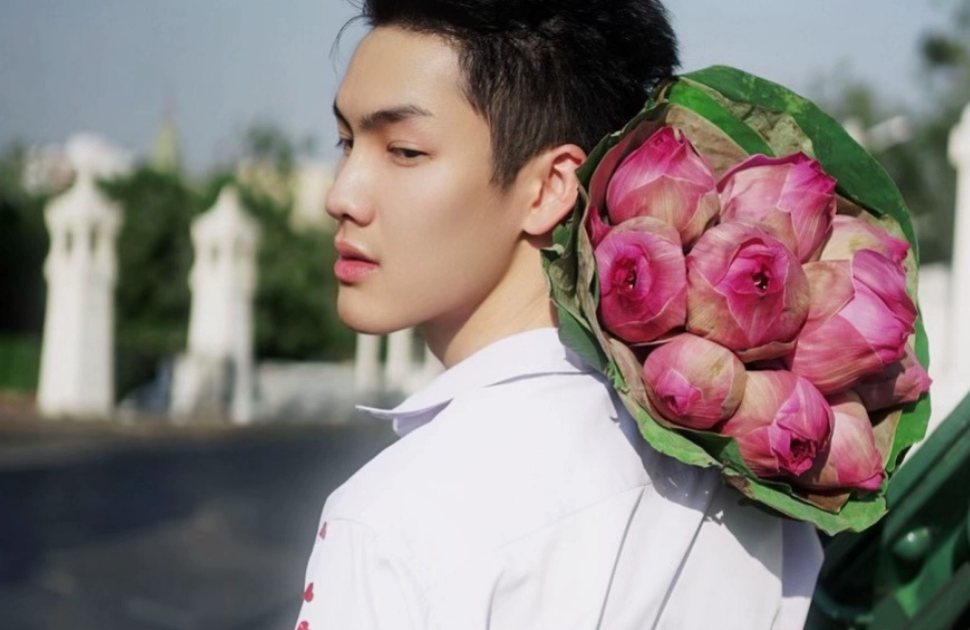
The flower you've pressed between your palms at every temple since childhood is now on a streetwear drop. And honestly? It makes complete sense.
Thai Gen Z has quietly pulled off something that took years to arrive: the re-branding of traditional Thai into something that doesn't feel like your grandmother's living room or a government official's formal shirt. It feels like now.
The dok bua, the lotus, was always an obvious candidate. It rises from muddy water and opens clean. That's not just Buddhist symbolism, that's a genuinely good visual. Paired with a streetwear silhouette or shot against the peeling walls of an old shophouse on the canal, it creates exactly the kind of contrast Thai Gen Z has been fluent in for years: old meaning, new context, zero apology.
What's interesting is what this isn't. It isn't cultural forgetting. The twenty-year-olds wearing lotus embroidery on thrifted denim grew up making offerings with this flower. They know what it means. They're wearing it because they know what it means, because it's theirs in a way a Supreme box logo never will be.
Before a foreigner decides this is dilution, it's worth understanding how Thai Buddhism actually works. The sacred has never needed to be kept behind glass here. The spirit house sits outside the 7-Eleven. The monk blesses the mall opening. Sacredness in Thai cultural logic is maintained by attitude, not distance.
Whether fast fashion eventually strips that attitude out of the symbol is the real question worth watching.
For now though? The lotus is having its moment. It earned it.