Rainy Season in Thailand: What Nobody Tells You (And Why It's Fine)
The standard advice about Thailand's rainy season is to avoid it. Book in November, leave before May, do not risk the weather. This advice has turned Thailand's two best-value travel months into a secret that benefits everyone who ignores it.
Here is what rainy season in Thailand actually looks like.
What It Is and Is Not
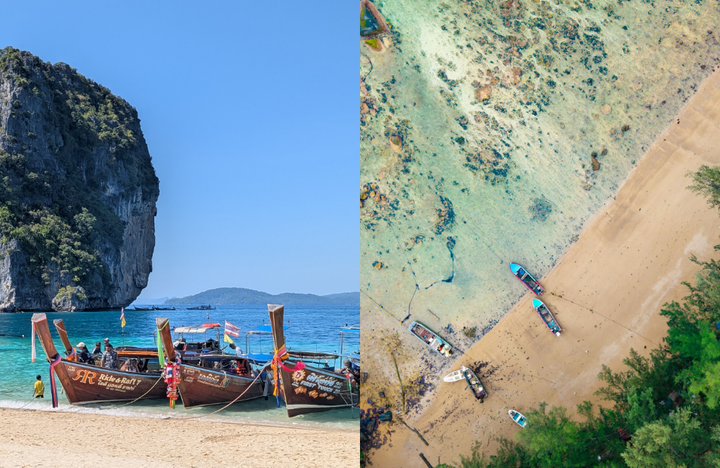
Thailand's southwest monsoon typically arrives on the Andaman coast (Phuket, Krabi, Koh Lanta) around mid-May and retreats in October. The Gulf of Thailand (Koh Samui, Koh Phangan, Koh Tao) operates on an opposite cycle, with its wet season running from October to December.
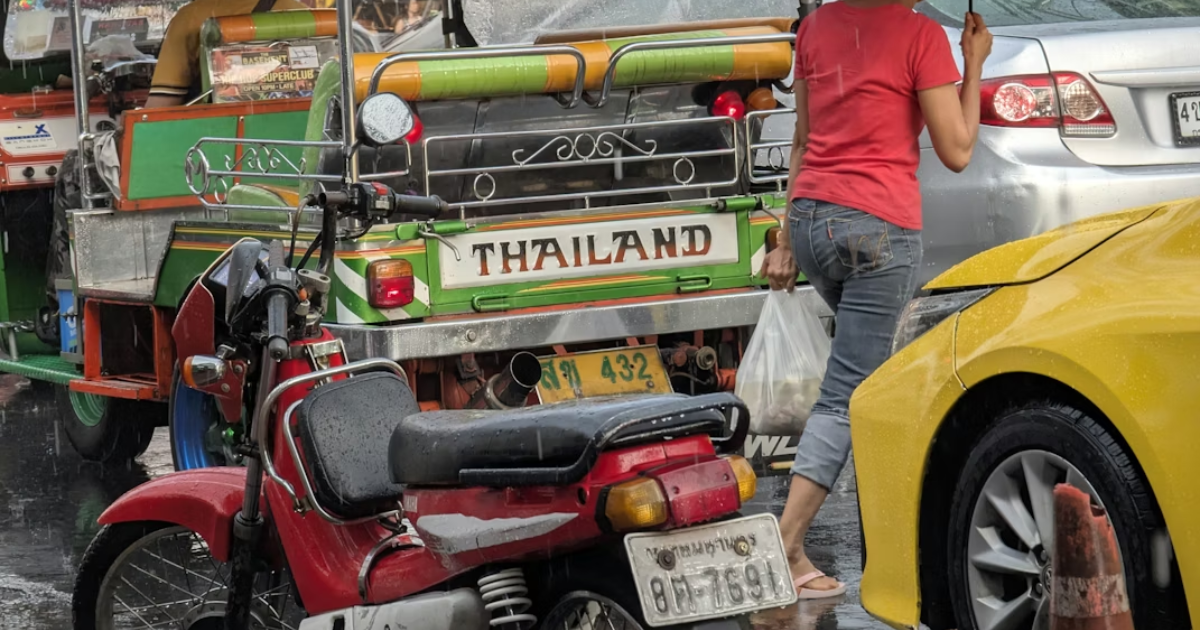
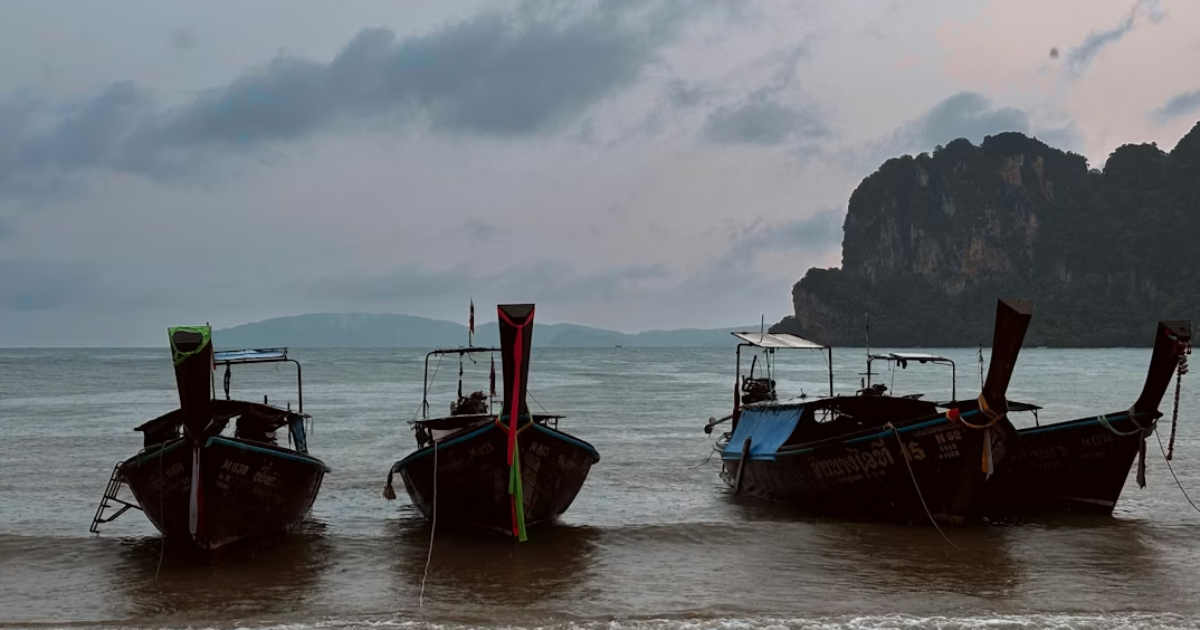
Rainy season does not mean constant rain. It means afternoon rain, typically for one to three hours, most days. The mornings are often clear. The evenings frequently clear again after the storm. A day on the beach in July in Koh Lanta involves several hours of sunshine, a dramatic afternoon downpour, and a cooler, fresher evening. This is not the travel emergency that the booking algorithm wants you to believe it is.
What Actually Changes
Seas are rougher. Boat crossings between islands in the Andaman are more frequently cancelled or uncomfortable. If your trip depends on consistent island-hopping, the dry season (November to April on the Andaman coast) is genuinely preferable.
Some beaches accumulate seaweed and debris. Jellyfish, including the box jellyfish which is genuinely dangerous, are more prevalent on both coasts during the wet season. This is the one concrete health reason to swim with increased awareness during rainy months.
Some guesthouses and restaurants in the most seasonal areas (Koh Lanta, Koh Phi Phi) close from May to October. Fewer facilities does mean fewer options.
What Improves
Prices drop substantially. A beachside bungalow in Koh Lanta that costs 2,500 baht per night in January is available for 1,200 baht in July. Hotel room rates in Bangkok drop 20 to 40 percent. Flights thin out and become cheaper.
Crowds evaporate. Temples in the morning are yours. Restaurants do not require reservations. The entire experience of moving through popular places becomes more relaxed.
The landscape is extraordinary. Waterfalls that are thin trickles in March run at full volume from June to September. The national parks, Khao Yai especially, are lush and abundant in ways they simply are not in the dry season. Wildlife is more active near water sources.
Chiang Mai, counterintuitively, is not at its worst during the wet season. Its worst months for air quality are February to April, when agricultural burning in the north creates PM2.5 levels that regularly exceed 150 micrograms per cubic metre, far beyond safe exposure. Rainy season clears that air entirely.
The Regional Timing Divide
The most important piece of information for rainy season travel is the one most people misunderstand: the two coasts have opposite wet seasons.
When it is monsoon season on the Andaman (May to October), the Gulf coast is in its dry season. Koh Samui in July is fine. Koh Tao in August is excellent. Phuket in November, when the Gulf is getting wet, is stunning.
This matters enormously for trip planning and makes Thailand genuinely viable as a beach destination in any month of the year, provided you choose the correct coast.