Bangkok to Singapore without Boarding a Plane. Three Countries Included.
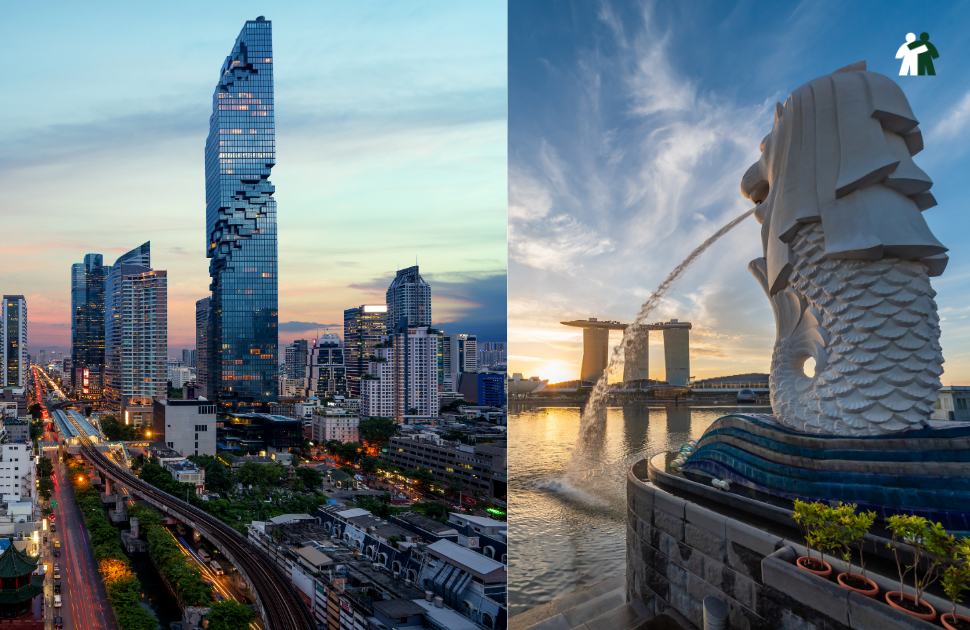
The Bangkok to Singapore overland route is Southeast Asia's most rewarding budget travel experience, and most expats in Thailand attempt it exactly once. They should do it twice. The 1,200-kilometer journey through Thailand, Malaysia, and Singapore takes 18 hours by bus, three days if you stop properly, and costs roughly 2,000 baht compared to 8,000 baht for a flight. More importantly, it transforms your understanding of how these three countries actually connect.
Here is everything you need to know to do it properly.
Why Take the Overland Route Instead of Flying
Budget airlines make Bangkok to Singapore a 90-minute hop for 6,000-8,000 baht. The overland route costs 1,500-2,500 baht total and takes significantly longer. You choose overland for three reasons: cost savings, visa run necessity, or genuine curiosity about mainland Southeast Asia's geography.
The visa run angle matters most. If you need to exit Thailand for immigration purposes, the overland route lets you satisfy visa requirements while actually experiencing Malaysia. Flying to Singapore and back in 24 hours costs more and shows you nothing except airport terminals.
The route also appeals to travelers who want to understand regional connections. Thailand, Malaysia, and Singapore exist as a cultural and economic continuum, not isolated destinations. You grasp this on the ground in ways impossible from 35,000 feet.
The Complete Route Breakdown: Bangkok to Singapore
The standard route follows this path: Bangkok to Hat Yai by train or bus, Hat Yai to Padang Besar border crossing, Padang Besar to Kuala Lumpur, Kuala Lumpur to Singapore. Each segment offers different transport options with distinct advantages.
Bangkok to Hat Yai takes 14-16 hours by train or 12-14 hours by bus. The overnight train from Hua Lamphong costs 600-1,200 baht depending on class. Second-class sleeper berths are comfortable and arrive in Hat Yai around 8am. Buses from Southern Bus Terminal cost 400-600 baht and run every hour.
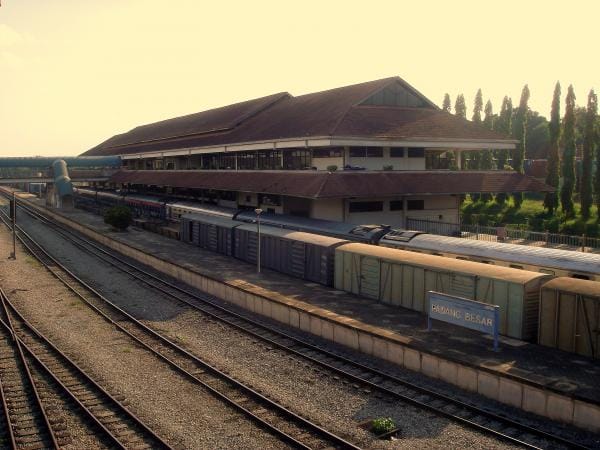
Hat Yai to Padang Besar requires 90 minutes by minivan or local bus for 80-120 baht. This segment connects you to the Thailand-Malaysia border. Padang Besar handles the smoothest border crossing on this route, with both Thai and Malaysian immigration in the same building.
Padang Besar to Kuala Lumpur takes 6-8 hours by train for 35-60 Malaysian ringgit. The train journey showcases Malaysian countryside impossible to see from highways. Alternatively, buses run this route in 5-6 hours for similar prices.
Kuala Lumpur to Singapore requires 4-5 hours by bus for 35-50 ringgit. Multiple operators run this segment hourly. The bus terminates at Queen Street Terminal or Golden Mile Complex in Singapore.
Border Crossings: What Actually Happens
The Thailand-Malaysia border at Padang Besar operates efficiently compared to other regional crossings. Both immigration checkpoints share the same building complex. You exit Thailand on the ground floor, walk upstairs, enter Malaysia on the second floor. The process takes 15-30 minutes unless you arrive during peak hours (8-10am, 4-6pm).
Required documents include passport with six months validity, proof of onward travel, and proof of accommodation in Malaysia. Malaysian immigration rarely checks accommodation proof, but carry a hotel booking or hostel confirmation. Thai immigration sometimes asks about your return plans to Thailand.
The Malaysia-Singapore border at Woodlands Causeway involves more complexity. You clear Malaysian exit immigration, board the bus, cross the causeway, then clear Singapore immigration at Woodlands Checkpoint. This process takes 45-90 minutes depending on crowds. Singapore immigration requires proof of onward travel and sufficient funds (they rarely check but carry 1,000 Singapore dollars or equivalent).
Transport Options and Realistic Costs
Budget Option (1,500-2,000 baht total): Third-class train Bangkok to Hat Yai (300 baht), minivan to Padang Besar (80 baht), train to Kuala Lumpur (35 ringgit), bus to Singapore (35 ringgit). Total journey time: 24-28 hours including border waits.
Comfortable Option (2,500-3,500 baht total): Second-class sleeper train Bangkok to Hat Yai (900 baht), air-conditioned bus segments throughout, mid-range accommodation for one night in Kuala Lumpur. Total journey time: 2-3 days with proper rest stops.
Express Option (3,000-4,000 baht total): VIP bus Bangkok to Hat Yai (800 baht), express connections throughout, premium bus to Singapore. Total journey time: 18-20 hours with minimal stops.
Currency considerations matter. Carry Thai baht for the first segment, Malaysian ringgit for middle segments, Singapore dollars for arrival. ATMs exist at every major transport hub, but having cash prevents delays.
Essential Stops Worth Making Along the Way
Hat Yai deserves 4-6 hours minimum. The morning market near the train station serves exceptional khao tom (rice porridge) and southern Thai curries unavailable in Bangkok. Hat Yai exists as Thailand's southern commercial hub, not a tourist destination, which makes it fascinating.
Kuala Lumpur rewards a full day or overnight stop. The Petronas Towers area offers excellent Malaysian food courts, but venture to Jalan Alor night market for superior street food. Kuala Lumpur's efficient LRT system connects major neighborhoods easily.
The KL Sentral transportation hub deserves mention as Southeast Asia's most functional transit center. Trains, buses, airport connections, shopping, and accommodation all connect through this single complex. If you need to rest during the journey, KL Sentral offers multiple hotel options within walking distance.
What to Pack for the Journey
Layered clothing handles varying air conditioning intensities. Thai buses run freezing cold, Malaysian trains run warm, Singapore immigration halls run cold again. Pack a light jacket regardless of season.
Essential items include phone chargers (outlets available on most transport), entertainment for long bus segments, snacks for segments without food service, and wet wipes for border crossings and general cleanliness.
Documentation stays critical throughout. Keep your passport accessible, carry printed accommodation bookings, maintain proof of onward travel from Singapore. Digital copies stored on your phone provide backup but carry physical copies for immigration.
When to Take This Route
December through February offers optimal weather across all three countries. March through May brings intense heat, particularly uncomfortable during long bus segments. June through November involves monsoon seasons with potential transport delays.
Avoiding major holidays prevents overcrowding and inflated prices. Chinese New Year, Songkran, and Malaysian school holidays create peak demand. Book transport 2-3 days in advance during normal periods, one week during holidays.
Weekend versus weekday timing affects border crossing speeds. Friday afternoons and Sunday evenings create longer immigration queues. Wednesday and Thursday departures from Bangkok typically encounter lighter border traffic.
Making the Journey Work for You
The Bangkok to Singapore overland route succeeds when you approach it as cultural education rather than efficient transportation. Flying remains faster and often more comfortable. Taking the overland route teaches you about regional geography, border procedures, and local transport systems in ways impossible to learn otherwise.
Budget 2-3 days total for the complete journey. Rushing through in 18 hours works logistically but defeats the educational purpose. Stop in Kuala Lumpur for one night. Explore Hat Yai's morning market. Observe how three different countries handle public transport, immigration, and urban planning.
This route connects Bangkok and Singapore through the heart of peninsular Southeast Asia. Take it when you have time to absorb what you see, not when you need to reach Singapore quickly. The journey itself becomes the destination.