Ayutthaya: The Ancient Capital That Should Take You a Full Day
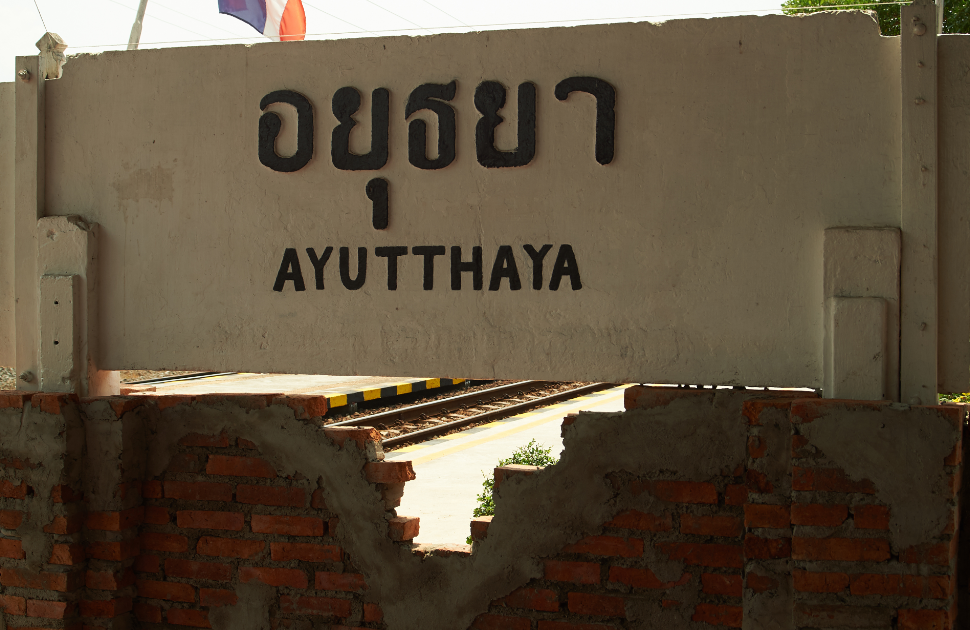
Most people give Ayutthaya half a day. They arrive at 10am, rush through three temples in the heat, eat pad thai near the tourist market, and take the 3pm train back to Bangkok. They have seen Ayutthaya the way you see a city from a moving car.
Ayutthaya was the capital of the Kingdom of Ayutthaya from 1350 to 1767 and, at its height in the 17th century, was one of the largest cities in the world, with a population estimated at around one million. It was a centre of international trade, diplomatic exchange, and Buddhist scholarship. The Dutch, English, French, Japanese, Chinese, and Portuguese all maintained trading posts here. In 1767, it was destroyed by the Burmese army of King Hsinbyushin, an event that still resonates in Thai historical consciousness.
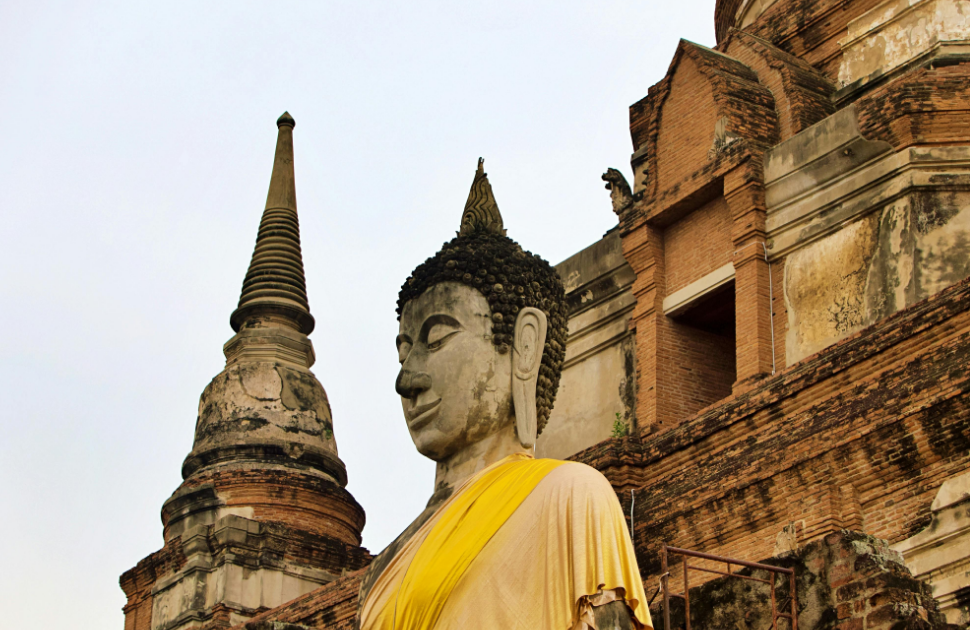
What remains today is a landscape of extraordinary ruined temples across an island formed by three rivers. The Chao Phraya, Pa Sak, and Lopburi rivers wrap the old city. The temples rise from the flat terrain in broken chedi (stupas) and headless Buddha statues, crumbling laterite, and moss-covered prang (tower-temples built in Khmer style). It is one of the most atmospheric historical sites in Southeast Asia.
Getting There
The train from Bangkok is the best option. Trains depart from Hua Lamphong and Bang Sue Grand Station regularly throughout the day. The journey takes 1 hour 30 minutes to 1 hour 45 minutes and costs between 15 baht (third class, no reservation) and 345 baht (second class air-conditioned seat). The train station is across the river from the historical park; a short ferry crossing (5 baht) or a brief tuk-tuk ride connects you to the main site.
An alternative is a minivan from Mo Chit BTS station, which costs around 70 baht and takes about the same time.
What to See
Wat Mahathat is the emotional centre of the site. Built in the late 14th century, it once housed one of the most revered Buddha relics in the region. The famous sandstone Buddha head entwined in the roots of a bodhi tree is here. Sit with it quietly rather than rushing for a photograph. Entry is 50 baht.
Wat Phra Si Sanphet was the most sacred temple within the former royal palace compound. Three large chedi remain, each containing the ashes of an Ayutthaya king. The symmetrical line of the three stupas at golden hour is one of Thailand's most photographed images and earns its reputation. Entry is 50 baht.
Wat Chaiwatthanaram sits on the western bank of the Chao Phraya, outside the island. Built by King Prasat Thong in 1630, it was modelled on Angkor Wat in Cambodia. The prang is in the Khmer style and the setting, beside the river with the surrounding moat, is spectacular at sunset. Entry is 50 baht. Take a tuk-tuk from the main island (about 100 baht) or rent a bicycle.
Wat Lokayasutharam houses a 42-metre-long reclining Buddha, one of the largest in Thailand. It is relatively little-visited and no entry fee is charged, which makes it a pleasant contrast to the more touristed sites.
Ayutthaya Historical Study Centre provides the contextual background that transforms the ruins from impressive stonework into comprehensible history. Spend an hour here before you walk the temples.
Hiring a Tuk-Tuk
A full-day tuk-tuk hire covering all major sites costs 400 to 600 baht depending on your negotiation and the route. Agree on the destinations and price before you get in. Most drivers are experienced at the tourist circuit. A good driver will wait while you explore each temple and suggest the right order for the light.
Eating
Baan Kun Pra is a riverside restaurant in a converted teak house opposite the palace ruins. Lunch costs around 200 to 350 baht per person. Tony's Place near the main temple area is well-regarded for simple Thai food at reasonable prices. For a more local experience, the fresh market on U Thong Road has stalls serving khao man gai and noodle soup from early morning.
When to Go
Arrive before 9am. The light is better, the heat is tolerable, and the tour groups have not yet arrived. If you want a single photographic moment, Wat Chaiwatthanaram at sunset justifies staying until dusk.