Chiang Mai's Old City: A Neighbourhood Guide for First-Timers
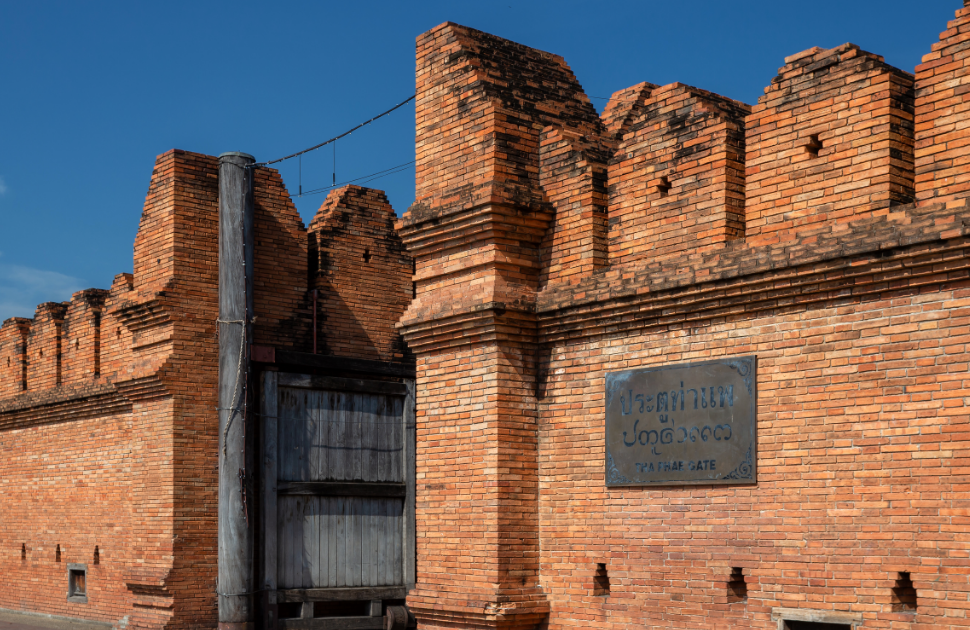
The first time you walk through Tha Phae Gate into Chiang Mai's Old City, the modern world doesn't disappear so much as fade to background noise. Motorbikes still weave between tourists, coffee shops still buzz with laptop screens, but you're walking inside 700-year-old walls where Lanna kings once ruled northern Thailand. This square kilometer contains more temples per block than anywhere else in the country, plus the best khao soi you'll eat outside someone's grandmother's kitchen.
Whether you're planning three days in Chiang Mai or considering a longer stay, the Old City rewards those who understand its rhythm. Here's how to navigate Thailand's former northern capital like someone who actually knows where they're going.
Understanding the Old City Layout
Chiang Mai's Old City is contained within ancient walls that form a perfect square. Four gates mark the cardinal directions: Tha Phae Gate (east), Chang Phueak Gate (north), Suan Dok Gate (west), and Chiang Mai Gate (south). The moat that once protected the city still surrounds these walls, though it's now more decorative than defensive.
The most important street is Ratchadamnoen Road, which runs east-west through the center and hosts the famous Sunday Walking Street market. North-south, Phra Pokklao Road bisects the Old City and connects Chang Phueak Gate to Chiang Mai Gate. These two main arteries divide the Old City into four distinct quarters, each with its own character.
Most first-time visitors enter through Tha Phae Gate, the most photographed and touristy entrance. This eastern gate faces the Ping River and connects to the Night Bazaar area. The gate itself is worth a photo, but don't linger here too long during peak hours when tour groups cluster around the entrance.
Navigation inside the walls follows a logical grid system. Small sois (side streets) run parallel and perpendicular to the main roads, numbered sequentially. When someone gives you directions to "Ratchadamnoen Soi 7," you'll know exactly where to look.
The Temple Circuit: Which Wats Matter Most
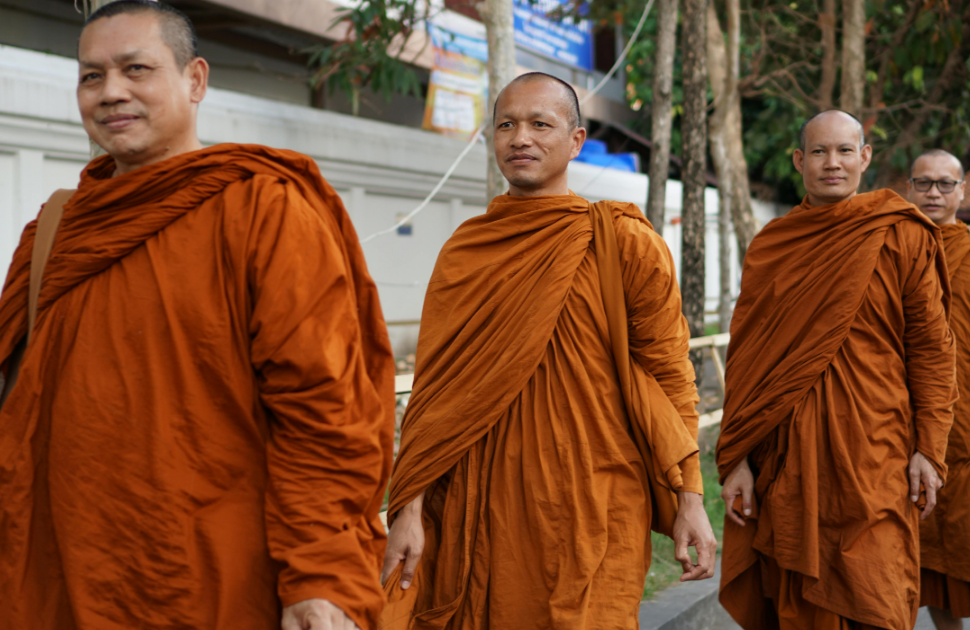
The Old City contains over 30 temples, but five deserve your immediate attention. Start with Wat Phra Singh in the western section, home to the revered Phra Singh Buddha image. This 14th-century temple showcases classic Lanna architecture with its golden chedi and intricate wood carvings. Visit in early morning (7-9am) to see monks collecting alms and avoid tour group crowds.
Wat Chedi Luang, near the city center, houses the ruins of a massive 15th-century chedi that once stood 80 meters tall before an earthquake brought it down. The remaining structure still dominates the skyline, and the temple complex includes the city pillar shrine, considered the spiritual heart of Chiang Mai. The evening chanting sessions here (around 6pm) offer a genuine spiritual experience.
Wat Phan Tao, directly next to Wat Chedi Luang, might be the most photogenic temple in the Old City. Built entirely of teak wood, this former royal residence turned temple glows golden in afternoon light. The adjacent lotus pond reflects the wooden structures perfectly for photos.
Wat Chiang Man, the oldest temple in Chiang Mai, sits in the northeast corner near Chang Phueak Gate. King Mengrai himself founded this temple in 1297, making it older than the city walls. The stone elephant sculptures supporting the chedi are original 13th-century work.
Don't skip Wat Phra Chao Mengrai, a smaller temple near the night market that most tourists miss entirely. The murals here depict traditional Lanna life with remarkable detail, and you'll often have the place to yourself.
Where to Eat Like a Local
The Old City's food scene splits between tourist-facing restaurants and local joints that have fed Chiang Mai families for generations. For khao soi, skip the Instagram-famous spots and head to Khao Soi Khun Yai on Ratchadamnoen Road. This no-frills shophouse serves the city's best version of northern Thailand's signature curry noodle soup. Order it with chicken, add extra crispy noodles on top, and squeeze fresh lime over everything.
Huen Phen, tucked into a traditional wooden house on Ratchawithi Road, serves royal Lanna cuisine in an authentic setting. The nam prik ong (northern Thai meat and tomato dip) here comes with fresh vegetables and sticky rice, eaten with your hands in the traditional style.
For breakfast, join locals at the small market inside Warorot Market's outer edge near Tha Phae Gate. The jok (rice porridge) vendors here open at 6am and serve until they sell out, usually by 10am. Pair it with fresh-fried pa thong ko (Chinese donuts) for the complete northern Thai breakfast experience.
Street food concentrates around the smaller gates. Chang Phueak Gate's evening food stalls specialize in grilled meats and som tam, while Chiang Mai Gate's morning market offers the best fresh fruit and vegetable shopping in the Old City.
Navigating the Markets and Shopping
Sunday Walking Street transforms Ratchadamnoen Road into Thailand's most famous night market every week from 4pm to 11pm. The entire road closes to traffic, and hundreds of vendors sell everything from handwoven textiles to contemporary art. Quality varies dramatically, so know what you're looking for.
For authentic handicrafts, focus on vendors selling directly handmade items rather than mass-produced souvenirs. Real Chiang Mai ceramics, hand-forged silver jewelry, and traditional textiles cost more but last years longer than tourist market alternatives. The best pieces often come from vendors who can explain their craft in detail.
Saturday Walking Street on Wualai Road, just outside the southern wall, draws fewer tourists and offers better prices on similar items. Local families shop here alongside visitors, which usually indicates more reasonable pricing.
During weekdays, explore the permanent markets. Warorot Market, technically outside the Old City walls but walking distance from Tha Phae Gate, operates daily and specializes in textiles, dried goods, and local products. The flower market section here supplies temples throughout northern Thailand.
Getting Around and Practical Tips
Walking remains the best way to explore the Old City's compact area. The entire square measures just 1.5 kilometers on each side, making temple-hopping on foot entirely manageable. Rent a bicycle for 50-100 baht per day to cover more ground comfortably, especially during hot season.
Red songthaews (shared pickup trucks) circle the Old City's perimeter constantly. Flag one down, tell the driver your destination, and expect to pay 20-30 baht for trips within the Old City area. They're particularly useful for reaching the western and northern gates from Tha Phae Gate.
Tuk-tuks cluster around major temples and gates but charge tourist prices (100-200 baht for short trips). Use them for convenience rather than economy. Grab and Bolt operate here but can struggle with the narrow soi addresses.
Most temples request 20-40 baht donation for foreign visitors, though enforcement varies. Dress respectfully: covered shoulders and knees, no sleeveless shirts or shorts above the knee. Remove shoes before entering any building with Buddha images.
ATMs appear every few blocks, but smaller vendors prefer cash. The Old City's Wi-Fi coverage is excellent at cafes and restaurants but patchy on the streets themselves.
Best Times to Visit
Early morning (6-9am) offers the Old City at its most authentic. Locals visit temples before work, street food vendors serve breakfast specialties, and the light hits temple spires beautifully. Tourist crowds don't typically arrive until after 10am.
Late afternoon (4-6pm) provides the best photography light and comfortable walking temperatures. Many temples look spectacular as the sun sets, particularly Wat Phan Tao and Wat Chedi Luang.
Avoid midday visits during hot season (March-May) when temperatures exceed 35°C and tourist crowds peak. The Old City's narrow streets offer little shade, making afternoon exploration uncomfortable during these months.
Chiang Mai's Old City rewards curiosity over itinerary checking. Yes, visit the major temples and try the famous khao soi, but leave time to wander the smaller sois, duck into neighborhood shrines, and discover the local coffee roaster that doesn't appear in guidebooks. The best experiences here happen when you slow down enough to notice them.
This ancient city center has survived 700 years by adapting without losing its essential character. Spend time here, and you'll understand why so many visitors to Chiang Mai end up staying much longer than they originally planned.