Krabi vs Phuket: The Real Difference for Travellers in 2026
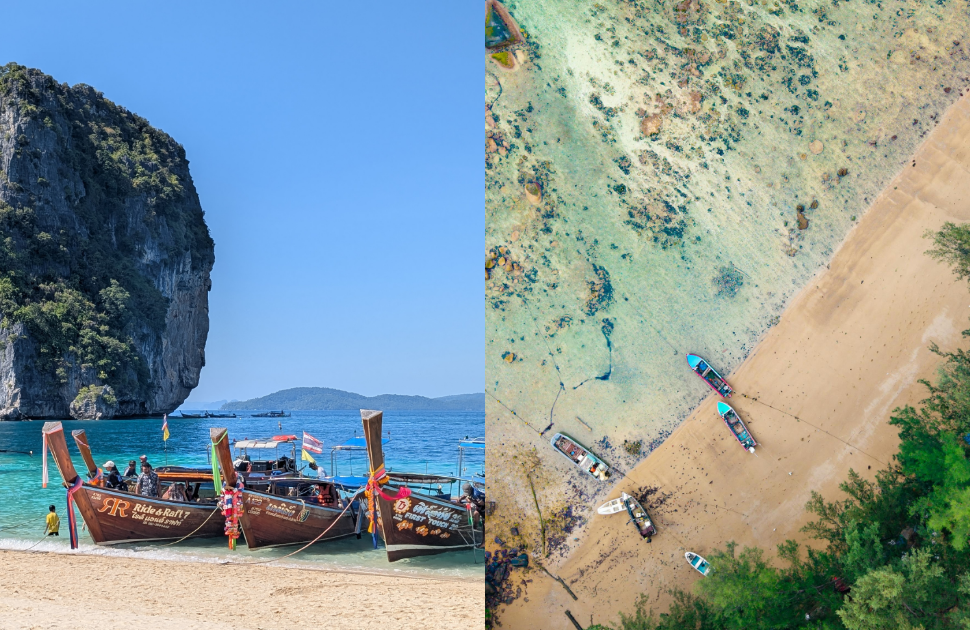
The question lands in my inbox at least twice a week: Krabi or Phuket for a first trip to southern Thailand? After eight years of living in Thailand and countless trips to both provinces, I understand the confusion. From a distance, they look similar on Instagram feeds: limestone cliffs, turquoise water, longtail boats. The reality on the ground is completely different.
Phuket is Thailand's tourism machine perfected: developed beaches, international restaurants, and infrastructure that works. Krabi is Thailand's natural drama with fewer crowds and more effort required. Your choice depends entirely on what kind of trip you actually want, not what looks good in photos.
Getting There: Your First Clue About What to Expect
Phuket has Thailand's second busiest airport. Direct flights from Bangkok take 90 minutes and run every hour. International connections from Singapore, Kuala Lumpur, and major European cities arrive daily. The airport to Patong Beach drive takes 45 minutes on a proper highway. You can pre-book everything online.
Krabi's airport is smaller but increasingly well-connected. Domestic flights from Bangkok take the same 90 minutes, though with fewer daily options. The airport sits 15 kilometers from Krabi town, 45 minutes from Ao Nang beach. International flights exist but require connections through Bangkok or Kuala Lumpur.
The difference reveals itself immediately: Phuket feels like arriving at a resort destination. Krabi feels like arriving in a place where tourism exists alongside normal Thai life.
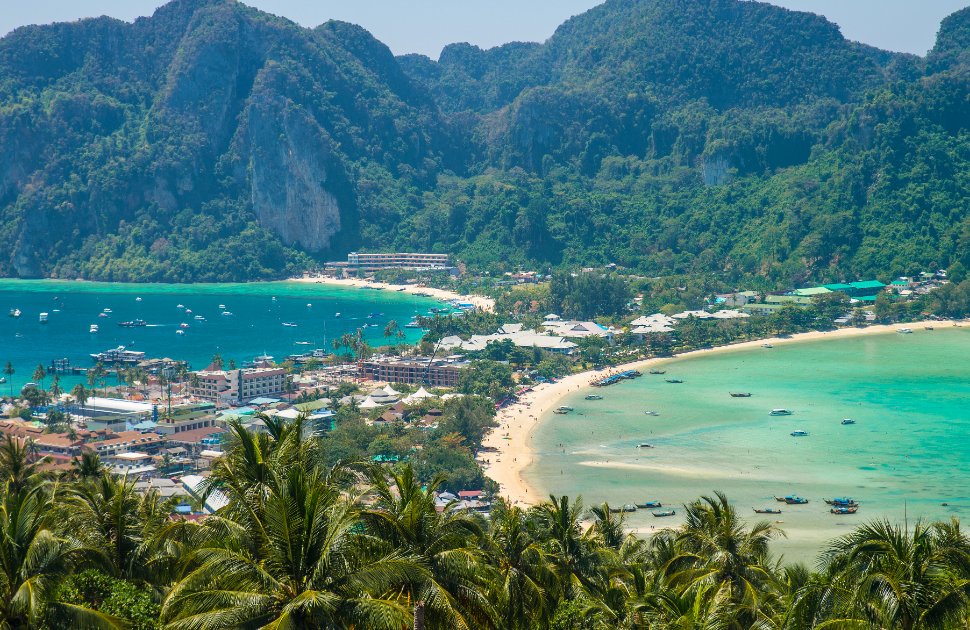
Beaches: Where Your Days Will Actually Happen
Phuket's Greatest Hits
Patong Beach dominates Phuket's reputation and tourism industry. The three-kilometer stretch offers every beach service imaginable: jet skis, parasailing, massage huts, and restaurants serving pad thai within ten meters of the sand. The water stays swimmable year-round. The scene runs 24 hours.
Kata and Karon beaches provide Phuket's middle ground: developed enough for convenience, quieter than Patong's chaos. Kata Noi attracts families with calmer water and fewer vendors. All three beaches have proper road access, ATMs, and Western toilets within walking distance.
Freedom Beach and Nai Harn represent Phuket's natural beauty without complete development. Both require either longtail boat access or motorcycle rides down steep paths. The effort filters out day-trip crowds.
Krabi's Natural Theater
Railay Beach remains accessible only by longtail boat, creating an immediate filter. The limestone cliffs rise directly from white sand. Rock climbers from around the world base themselves here. Four beaches connect by walking trails: Railay West for sunsets, Railay East for cheaper accommodation, Phra Nang for the famous cave shrine, and Tonsai for backpacker energy.
Ao Nang serves as Krabi's main beach town with road access and full tourism infrastructure. The beach itself disappoints compared to Railay, but it functions as base camp for island hopping trips. Longtail boats to Railay leave every 30 minutes during daylight hours.
The four-island tours from Ao Nang visit Chicken Island, Tup Island, Mor Island, and Poda Island in a single day. Each offers pristine beaches with minimal development. The tours cost 1,200 baht per person including lunch and feel like private islands compared to Phuket's busier day trips.
Food: What You'll Actually Eat
Phuket's food scene spans from street carts to Michelin-starred restaurants. Phuket Old Town showcases authentic Peranakan cuisine influenced by Chinese and Malay traditions. Hokkien mee, Phuket-style curry, and mee hun soup represent local specialties tourists rarely discover.
International restaurants cluster around Patong, Kata, and Bang Tao beaches. You can eat excellent Italian, Japanese, and Indian food. Western breakfast, pizza delivery, and familiar chain restaurants provide comfort food when Thai cuisine overwhelms.
Krabi's food scene centers on Thai dishes with less international variety. Ao Nang offers standard tourist Thai food: pad thai, green curry, and mango sticky rice prepared for foreign palates. Krabi town, 20 minutes inland, serves more authentic local food at quarter the price.
The night markets in Krabi town deserve the tuk-tuk ride: whole grilled fish, som tam (papaya salad), and khao tom (rice soup) cost 40-60 baht per dish. Ao Nang's beachfront restaurants charge 180-250 baht for similar dishes.
Accommodation: Where You'll Sleep and What It Costs
Phuket accommodates every budget level with professional standards. Five-star beach resorts in Bang Tao and Surin charge 8,000-15,000 baht per night during high season. Mid-range hotels near Kata and Karon cost 2,500-4,500 baht with pools, air conditioning, and reliable Wi-Fi. Budget guesthouses in Phuket town start at 800 baht but require scooter transport to beaches.
Krabi's accommodation centers on two areas: Ao Nang for hotels and convenience, Railay for beachfront bungalows without road access. Railay's accommodation costs premium prices for basic amenities: simple bungalows cost 2,000-4,000 baht because boat access limits supply. Ao Nang hotels offer better value: 1,500-3,000 baht gets proper rooms with balconies and pools.
Book Railay accommodation months ahead during peak season (December through March). Only a dozen resorts exist on the peninsula, and they fill completely. Ao Nang offers walk-in availability year-round.
Activities: Beyond the Beach
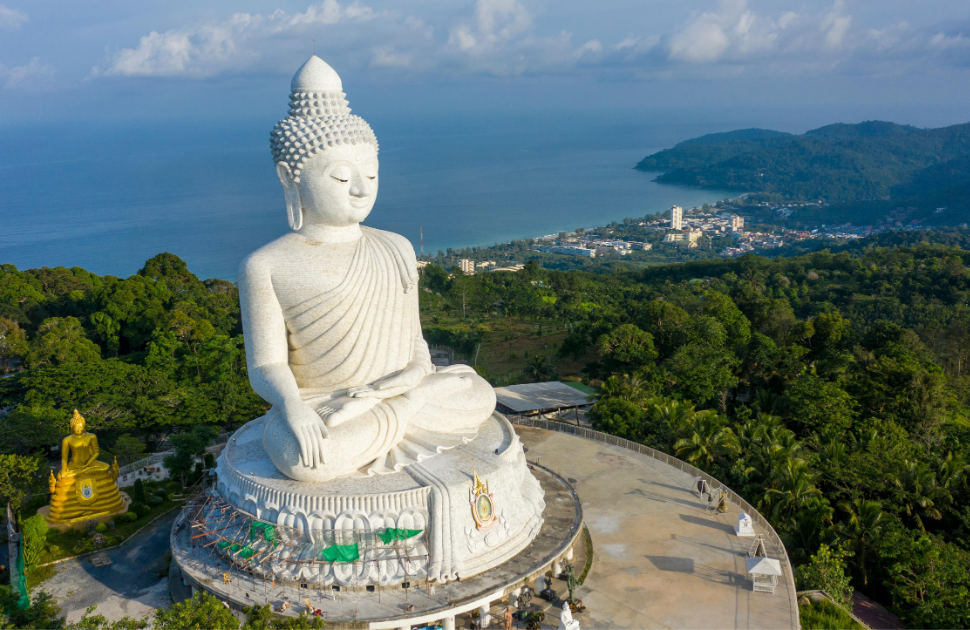
Phuket's activity list reads like an adventure sports catalog: scuba diving at Shark Point, day trips to Phi Phi Islands, ATV tours through rubber plantations, and cultural tours of Old Town. The Big Buddha provides panoramic island views. Bangla Road offers Thailand's most concentrated nightlife outside Bangkok.
Everything books online with hotel pickup included. Day trips to Phi Phi Islands cost 2,500 baht including speedboat transport, lunch, and snorkeling gear. The convenience costs more but eliminates planning stress.
Krabi specializes in rock climbing and island hopping. Railay attracts climbing beginners: half-day courses cost 2,000 baht including equipment and instruction. The limestone offers routes from beginner to expert level.
Emerald Pool and Tiger Cave Temple require day trips from Ao Nang but showcase Krabi's jungle interior. The temple's 1,237 steps climb to mountain views. Emerald Pool offers natural swimming in jungle settings. Both activities cost under 1,000 baht including transport.
The Real Decision: Convenience vs Adventure
Choose Phuket if you want Thailand's beach experience with minimal friction. The infrastructure works, English signs appear everywhere, and you can solve problems with money. Families with children, first-time visitors to Thailand, and travelers preferring convenience over authenticity will find Phuket delivers exactly what it promises.
Choose Krabi if you want Thailand's natural beauty with some effort required. Smaller crowds, lower prices, and more authentic interactions with Thai culture come with trade-offs: fewer dining options, basic accommodation, and activities requiring physical effort.
Both destinations offer excellent versions of southern Thailand. Your choice depends on whether you prefer your paradise organized or discovered.
The real winner might be splitting time between both: three days in Krabi for natural beauty and three days in Phuket for convenience and nightlife. The ferry between Ao Nang and Phuket takes two hours and costs 600 baht. You don't have to choose just one.