Loy Krathong vs Yi Peng: The Real Story Behind Thailand's Festival of Lights
Every November, thousands of travelers arrive in Thailand expecting to release floating lanterns into the night sky, only to discover they've confused two entirely different festivals. If you've ever wondered why some photos show paper lanterns floating upward while others show banana leaf boats drifting downstream, you're not alone. Here's what you actually need to know about Loy Krathong and Yi Peng.
The Simple Truth: Two Festivals, One Misunderstood Moment
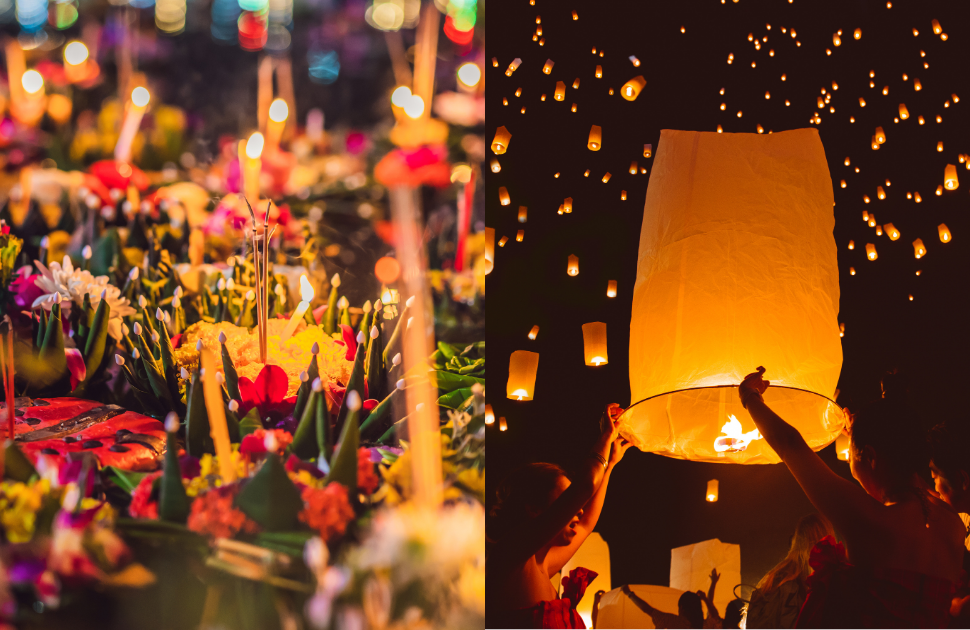
Loy Krathong happens nationwide on the full moon of the 12th lunar month, typically in November. You float decorative rafts called krathongs on water. Yi Peng occurs in northern Thailand around the same time. You release paper lanterns called khom loy into the sky. Same period, completely different traditions, entirely separate cultural meanings.
The confusion comes from timing and tourism marketing. Both festivals often overlap by just days, and Chiang Mai celebrates both simultaneously. Tour operators bundle them together as "Thailand's Festival of Lights," which technically describes both but misses the distinct cultural significance of each.
What Loy Krathong Actually Is
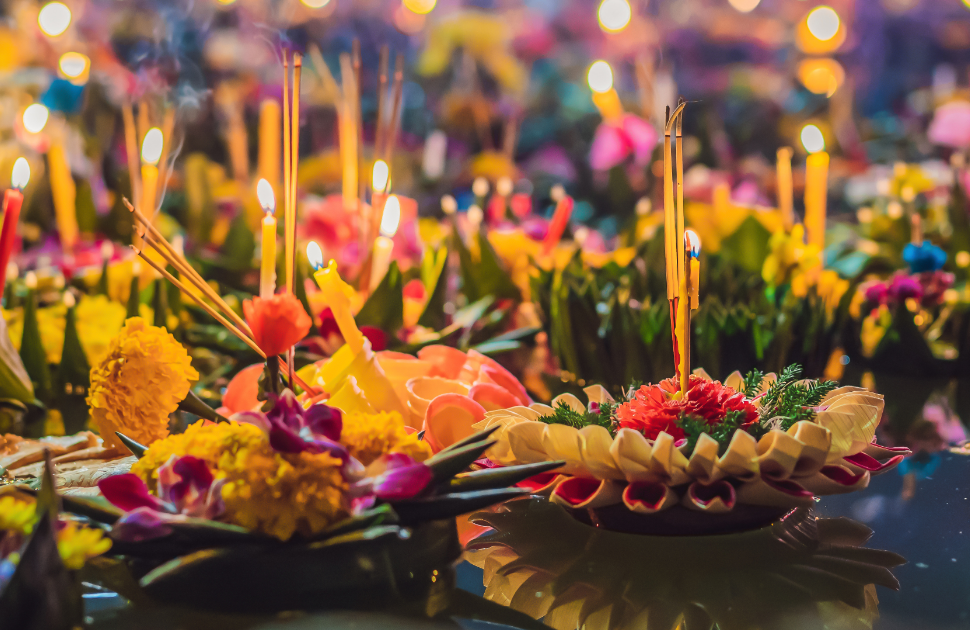
Loy Krathong translates to "float a basket." The krathong itself is a small raft traditionally made from banana leaves, decorated with flowers, incense, and candles. You place a coin inside, make a wish, and float it on any body of water: rivers, lakes, hotel swimming pools, even large ornamental ponds.
The festival honors Phra Mae Khongkha, the goddess of water, and serves as both gratitude for water's life-giving properties and an apology for polluting it throughout the year. Thais also believe floating away your krathong carries away bad luck and negative energy from the previous year.
I watched my first Loy Krathong from the banks of the Chao Phraya River in Bangkok in 2019. Hundreds of tiny lights drifted downstream like fallen stars, each carrying someone's private hopes and regrets toward the Gulf of Thailand. The effect is mesmerizing and surprisingly intimate for such a public celebration.
What Yi Peng Actually Is
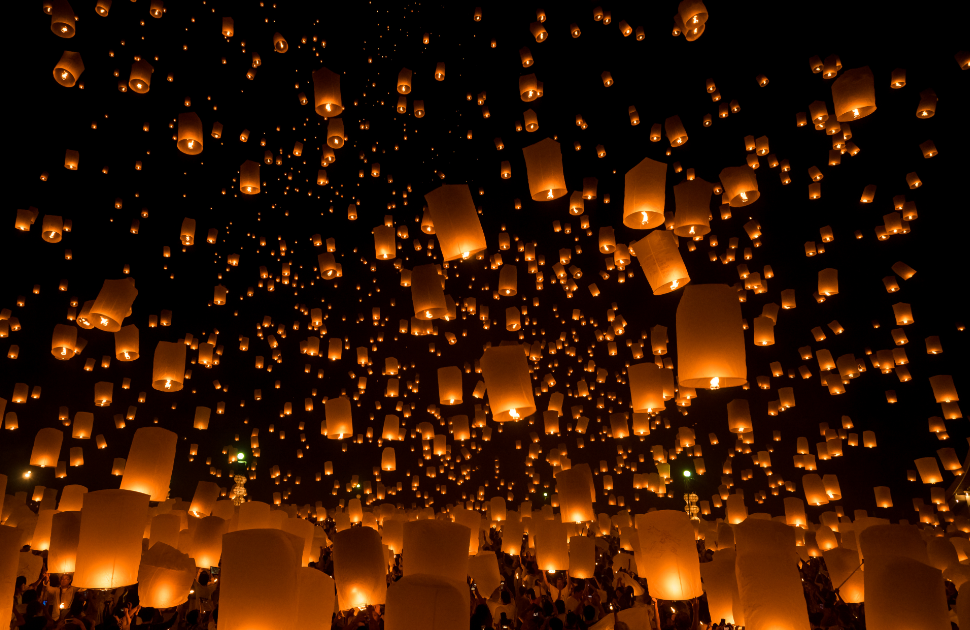
Yi Peng belongs specifically to northern Thailand's Lanna culture, though you'll now find it celebrated in Bangkok and other regions due to tourism popularity. The name comes from the Lanna language: "Yi" means second, "Peng" means full moon day, referring to the second month of the Lanna calendar.
The khom loy lanterns were originally made from rice paper and bamboo, filled with hot air from a small fire at the base. As they rise, they carry prayers and wishes skyward. The mass release creates one of Southeast Asia's most photographed moments: thousands of glowing orbs ascending against the night sky like reverse shooting stars.
The most famous Yi Peng celebration happens at Mae Jo University outside Chiang Mai, where organized mass releases draw international visitors. Tickets cost 100 to 300 baht depending on seating, and the event fills up months in advance. The spectacle lasts about 20 minutes but provides enough social media content to last a lifetime.
Where and When to Experience Each Festival
For authentic Loy Krathong: Bangkok's Lumpini Park offers a beautiful setting without overwhelming crowds. The park's lakes provide perfect floating conditions, and you can buy ready-made krathongs from vendors for 20 to 50 baht. Alternatively, many hotels along the Chao Phraya River host Loy Krathong events with dinner buffets and prime riverside access.
Sukhothai Historical Park hosts Thailand's most elaborate Loy Krathong celebration, with traditional performances, ancient ruins as backdrop, and significantly fewer tourists than Bangkok or Chiang Mai. The three-day festival includes light and sound shows, cultural demonstrations, and the most photogenic krathong floating you'll find in Thailand.
For authentic Yi Peng: Chiang Mai remains the epicenter, but crowds have grown exponentially. For a more manageable experience, try the celebrations in Pai or Mae Hong Son, where you'll find the same Lanna traditions with fraction of the tourists.
If you're set on the mass release experience, book Mae Jo University tickets through their official website only. Scam sites selling fake tickets proliferate on social media, particularly targeting international visitors who don't read Thai.
The Cultural Context You Need to Understand
Both festivals carry deep spiritual significance beyond their Instagram appeal. Loy Krathong connects to Buddhist concepts of letting go and water's role in purification. Many Thais use the moment of releasing their krathong for serious reflection about the past year and hopes for the coming one.
Yi Peng stems from Brahmanic traditions mixed with Buddhist practice, where light symbolizes wisdom dispelling ignorance. The act of releasing a lantern represents sending your prayers to Buddhist deities and deceased ancestors. It's celebration and memorial service combined.
Understanding this context changes how you participate. These aren't just photo opportunities but active religious observances. Respectful participation means dressing modestly, keeping voices low during the actual floating or releasing moments, and following local customs about when and how to make your offering.
What Tour Operators Don't Tell You
Most "Loy Krathong and Yi Peng" tour packages combine both experiences into one evening, usually in Chiang Mai. While convenient, this approach misses the distinct cultural meaning of each festival. You're essentially consuming a curated tourist experience rather than participating in genuine cultural celebration.
The environmental impact deserves consideration too. Traditional krathongs made from banana leaves and flowers biodegrade naturally. Modern styrofoam versions, popular because they're cheaper and more durable, create significant water pollution. Choose natural materials, even if they cost slightly more.
Similarly, mass lantern releases pose fire hazards and contribute to litter when lanterns fall back to earth. Some areas have banned Yi Peng celebrations entirely due to safety concerns and environmental damage.
Making Your Choice
If you can only attend one, choose based on what type of experience appeals to you. Loy Krathong offers quiet contemplation and intimate connection with Thai spiritual practice. Yi Peng provides spectacular visuals and communal celebration energy.
Better yet, if your schedule allows, experience both properly: Loy Krathong in Bangkok or Sukhothai for authentic cultural immersion, then Yi Peng in northern Thailand for the visual spectacle. Understanding the difference between them makes both experiences more meaningful and helps you participate respectfully in traditions that long predate tourism marketing.
The real magic of both festivals isn't just in the lights, it's in the moment of release, when hundreds of people simultaneously let go of something they're carrying from the past year. That feeling transcends any confusion about which festival is which.