The Thailand Elite Card: Is It Worth the Cost?
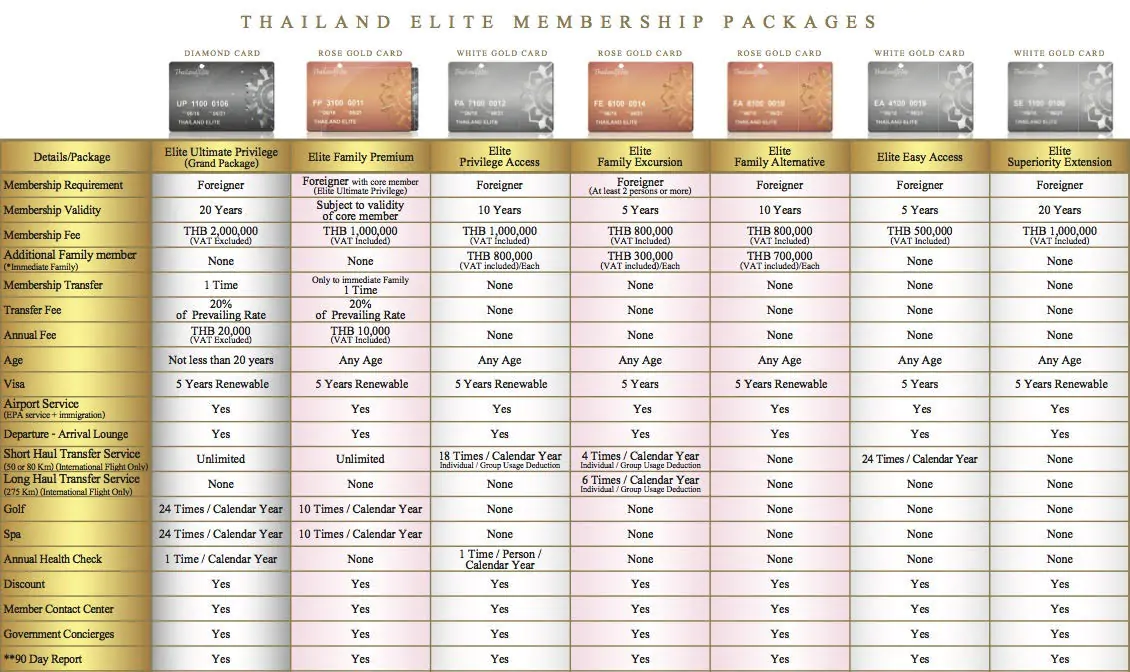
The Thailand Elite card costs more than most people's annual salary. At 600,000 baht for the basic five-year membership, it represents the single largest upfront expense most foreigners will face in Thailand, excluding property purchases. After three years of watching friends debate, purchase, and occasionally regret this decision, I can tell you the math is more complex than the marketing suggests.
The Elite card promises to solve Thailand's most persistent expat problem: visa uncertainty. For high-income foreigners tired of visa runs, document shuffles, and the annual anxiety of renewal rejections, it offers something genuinely valuable. The question is whether that value justifies the price tag.
What You Actually Get for 600,000 Baht
The Thailand Elite card is fundamentally a prepaid visa service wrapped in luxury marketing. The core benefit is a five-year renewable visa with multiple entries, no work permit restrictions, and guaranteed approval as long as you pass the initial background check.
Beyond the visa, you receive airport fast-track services, annual health checkups, golf course access, and concierge services. The golf and concierge benefits sound impressive until you realize most cardholders use them once, maybe twice. The real value proposition is simpler: you pay 120,000 baht per year to never think about visa issues again.
Fast-track immigration at Suvarnabhumi saves perhaps 20 minutes per entry. If you travel internationally twice monthly, that adds up. If you travel quarterly, it feels like an expensive convenience. The annual health checkup at a private hospital costs around 15,000 baht if purchased separately, so factor that into your calculations.
The concierge service handles restaurant bookings and tour arrangements competently but nothing you cannot organize yourself with basic Thai language skills or a local friend. It exists primarily to justify the premium pricing structure.
Who Benefits Most
The Elite card makes financial sense for a specific demographic: high-income earners who value time over money and travel frequently. If you earn over 200,000 baht monthly, travel internationally at least monthly, and have experienced visa rejection anxiety, the math works.
Digital nomads often consider the Elite card but rarely benefit proportionally. If you spend six months annually outside Thailand, you are paying for services you do not use. The card requires no minimum stay requirements, but the cost per day in Thailand becomes absurd for part-time residents.
Retirees represent another target demographic, though the retirement visa offers better value for most. The Elite card makes sense for retirees under 50 (ineligible for retirement visas) or those who fail the retirement visa financial requirements but possess lump-sum savings.
Business owners find genuine value in the work permit flexibility. Unlike most visa categories, Elite card holders can obtain work permits without the typical company shareholding restrictions. For entrepreneurs planning Thai business operations, this flexibility justifies significant cost.
The Hidden Costs Nobody Mentions
The 600,000 baht entry fee represents only the beginning. Renewal after five years costs another 600,000 baht, though the government has adjusted pricing multiple times since the program launched. Banking on current renewal rates means assuming Thai immigration policy stability, which history suggests is optimistic.
Opportunity cost matters more than most applicants calculate. Investing 600,000 baht in Thai government bonds currently yields around 3% annually. Over five years, that represents 90,000 baht in forgone investment returns, bringing the true cost closer to 700,000 baht.
The program exists at government discretion. While unlikely, policy changes could affect benefits or renewal terms. The Elite card offers no legal protections beyond standard visa categories. You are purchasing convenience, not guaranteed residence rights.
Thai tax implications remain unclear for long-term Elite cardholders. As Thailand moves toward taxing foreign income for residents, Elite card holders spending over 180 days annually may face complex tax obligations the program does not address.
When It Makes Sense
The Elite card justifies its cost when visa uncertainty creates genuine business or personal problems. If visa rejections could disrupt your income, relationships, or long-term plans, paying for certainty becomes reasonable insurance.
Frequent travelers benefit disproportionately. Someone entering Thailand 20 times annually saves substantial time through fast-track services. Combined with never needing visa applications, embassy visits, or document preparation, the time savings become meaningful.
High-stress individuals often underestimate the psychological value. The annual anxiety of visa renewals, document preparation, and potential rejection creates genuine mental health costs. For some personalities, eliminating this stress justifies significant expense.
Better Alternatives for Most People
The retirement visa costs 1,900 baht annually after meeting financial requirements. Even accounting for the hassle factor, it represents vastly better value for eligible applicants. The Smart Visa categories offer similar long-term certainty for skilled professionals at much lower cost.
Marriage visas, despite their administrative requirements, provide identical long-term security for married couples. The annual renewal process takes one morning and costs under 5,000 baht including agent fees.
Non-immigrant B visas with work permits offer legal employment authorization the Elite card cannot match. For most working foreigners, the traditional employment visa route provides better legal protection and costs significantly less.
The Honest Assessment
The Thailand Elite card is expensive convenience, not good value. It solves real problems for specific demographics but costs more than necessary for most applicants. The psychological benefits matter more than the tangible perks for most purchasers.
If 600,000 baht represents discretionary spending money rather than a significant financial decision, the Elite card provides genuine peace of mind. If that amount requires careful budgeting, traditional visa routes offer better value propositions.
Thailand's visa landscape changes regularly, but long-term trends favor liberalization, not restriction. The Elite card hedges against increased difficulty, though that outcome remains speculative rather than certain.
For most expats, the Elite card represents expensive insurance against problems that alternative visas solve more affordably. For high-income frequent travelers with low tolerance for bureaucracy, it delivers meaningful value despite the premium pricing.
The decision ultimately depends on your income level, travel frequency, and personal tolerance for visa-related stress. The card works as advertised but costs significantly more than the problems it solves for most Thailand residents.