Retiring in Thailand: The Honest 2026 Guide for Over-50s

Whether you've been dreaming of retiring somewhere warm for decades or Thailand just appeared on your radar after one too many gray London winters, you're probably wondering if the reality matches the fantasy. The answer is complicated: retiring in Thailand can be extraordinary, but only if you understand exactly what you're signing up for.
This guide will walk you through everything you need to know about retiring in Thailand in 2026, from visa requirements that actually make sense to the real costs of living comfortably. By the end, you'll know whether Thailand is right for your retirement and how to make it work if it is.
The Retirement Visa: Your Gateway to Long-Term Living
The Non-Immigrant O-A visa, commonly called the retirement visa, is your primary pathway to living in Thailand long-term after age 50. Here's what you actually need to know, not what the outdated forum posts tell you.
Financial Requirements for 2026:
- 800,000 baht (approximately $22,500) in a Thai bank account, OR
- Monthly income of 65,000 baht ($1,825) from abroad, OR
- A combination of both totaling 800,000 baht annually
The money must be in your Thai bank account for two months before applying and three months after approval. Yes, this means opening a Thai bank account before you retire here, which requires a different visa first. Most retirees enter on a 60-day tourist visa, open the account, then apply for the retirement visa from within Thailand.
The Health Insurance Requirement:
Since 2019, O-A visa applicants need health insurance with minimum coverage of $50,000 for outpatient care and $100,000 for inpatient care. Pacific Cross and Luma Thailand are the two insurers most expats use. Expect to pay $1,200 to $2,500 annually depending on your age and coverage level.
Annual Reporting:
Every 90 days, you must report your address to immigration. Every year, you must renew your visa. Miss either deadline and you'll face fines, visa complications, or worse. Set phone reminders now.
The Real Cost of Living: Beyond the Beach Dreams
Thailand is cheaper than most Western countries, but comfortable retirement here isn't as cheap as the lifestyle blogs suggest. Here's what middle-class retirement actually costs in 2026.
Housing:
A decent one-bedroom condo in central Bangkok rents for 25,000 to 40,000 baht ($700 to $1,125) monthly. In Chiang Mai, expect 15,000 to 25,000 baht ($420 to $700). Beach towns like Hua Hin fall somewhere between. These prices get you modern amenities, reliable internet, and proximity to good healthcare.
Buying property is possible through a condo purchase (foreigners can own the unit but not the land), but budget 3 to 6 million baht ($85,000 to $170,000) for something you'd actually want to live in long-term.
Daily Expenses:
Street food meals cost 50 to 100 baht, but you'll want variety. Budget 15,000 to 25,000 baht monthly for food if you mix local meals with occasional Western restaurants and cooking at home. Utilities run 3,000 to 8,000 baht monthly depending on air conditioning use. Internet costs 600 to 1,200 baht monthly for reliable speeds.
Transportation:
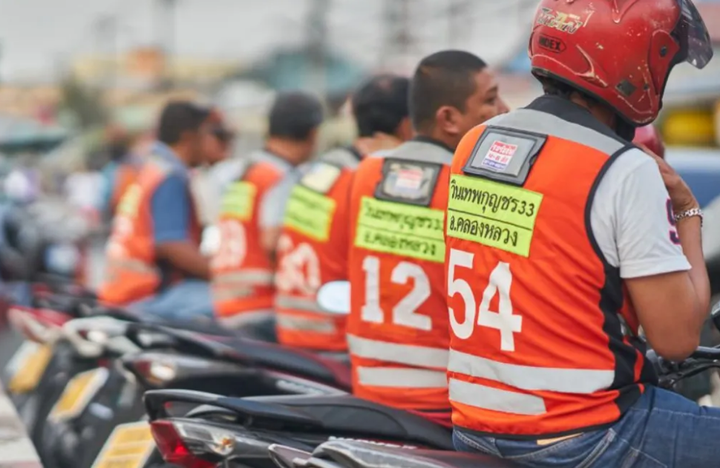
Bangkok's BTS and MRT systems are excellent and cheap, 15 to 50 baht per trip. Taxis and Grab rides are affordable for occasional use. If you're in a smaller city, budget 5,000 to 8,000 baht monthly for a motorbike taxi account or local transportation.
Total Monthly Budget:
Comfortable retirement in Thailand requires 60,000 to 100,000 baht ($1,685 to $2,810) monthly. You can live on less, but you'll be compromising on location, housing quality, or dietary variety in ways that might make retirement less enjoyable.
Healthcare: The Good, Bad, and Expensive
Thailand's healthcare system is genuinely excellent, but navigating it as a retiree requires planning and realistic expectations about costs.
Private Healthcare:
Bumrungrad International and Bangkok Hospital are the gold standards, offering Western-style service with English-speaking staff. A specialist consultation costs 1,500 to 3,000 baht. Routine blood work runs 2,000 to 5,000 baht. Major procedures cost significantly less than Western equivalents but aren't cheap: hip replacement surgery runs 400,000 to 800,000 baht ($11,250 to $22,500).
Public Healthcare:
Thailand's public system is high-quality but requires Thai language skills or a translator. Costs are dramatically lower, but waiting times are longer and English support is limited.
Health Insurance Reality:
Your mandatory visa insurance covers emergencies but not routine care or pre-existing conditions. Budget an additional 50,000 to 150,000 baht annually for comprehensive health coverage or out-of-pocket medical expenses.
Where to Retire: Choosing Your Thai Base
Bangkok:
Best for culture, dining, and world-class healthcare. Worst for pollution, traffic, and noise. Choose Bangkok if you want urban conveniences and don't mind the chaos.
Chiang Mai:
Lower costs, cooler weather, strong expat community. The burning season (February to April) brings dangerous air pollution levels. Choose Chiang Mai if you prioritize affordability and community but can handle seasonal air quality issues.
Hua Hin:
Beach town popular with retirees, decent healthcare, royal family connection means good infrastructure. More expensive than Chiang Mai, less happening than Bangkok. Choose Hua Hin if you want a quieter beach lifestyle with easy Bangkok access.
Phuket:
Beautiful beaches, international airport, high costs. Tourist-heavy year-round. Choose Phuket if budget isn't your primary concern and you want resort-style living.
The Challenges Nobody Mentions
Language Barriers:
Basic Thai isn't optional for comfortable retirement. Medical appointments, banking, and government procedures become significantly easier with elementary Thai skills. Start learning before you move.
Visa Dependency:
Your legal status depends entirely on maintaining visa requirements. Banking problems, health issues, or changes in Thai law can affect your ability to stay. Have backup plans and emergency funds.
Social Isolation:
Expat communities can be insular and cliquish. Building genuine friendships requires effort, especially if you don't speak Thai. Consider this carefully if you're retiring alone.
Making the Decision: Is Thailand Right for You?
Thailand works best for retirees who are adaptable, financially secure beyond the minimum visa requirements, and genuinely interested in living in a different culture rather than recreating their home country in a tropical setting.
You should seriously consider Thailand if you have 80,000 to 120,000 baht monthly budget, basic Thai language skills or commitment to learning, and realistic expectations about infrastructure, bureaucracy, and cultural differences.
You should look elsewhere if you need extensive ongoing medical care, have limited financial flexibility, or expect Thailand to operate like your home country with better weather.
Retiring in Thailand can be extraordinary, but it requires more planning, cultural adaptation, and financial cushion than the dream-sellers suggest. Done thoughtfully, it offers an incredibly rich, affordable, and fascinating place to spend your retirement years.