Thai Etiquette for Beginners: 15 Rules That Will Make Your Life Here Easier
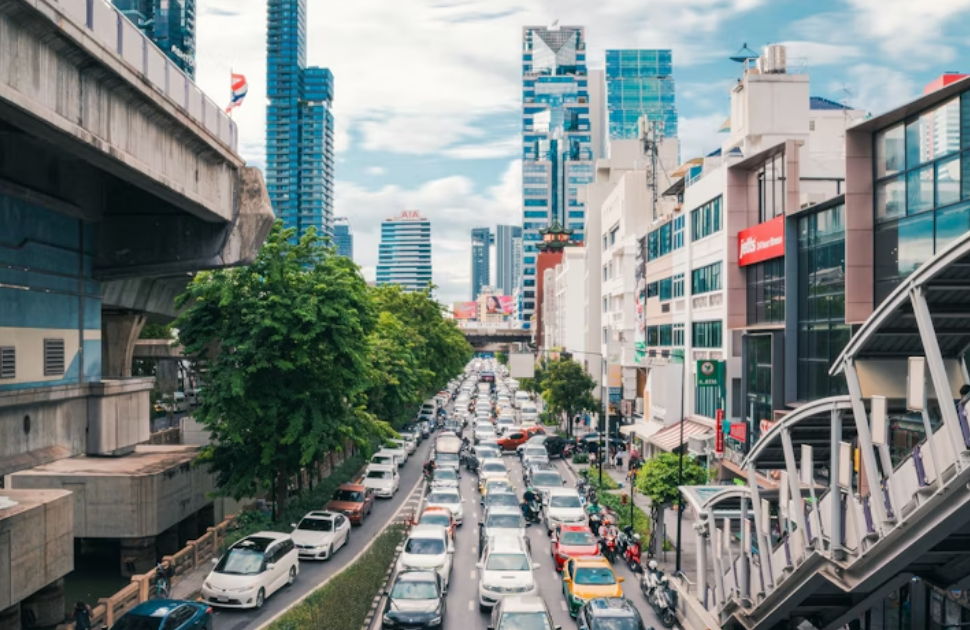
Whether you've just stepped off the plane at Suvarnabhumi or you've been living in Bangkok for six months and still feel like you're constantly making social mistakes, Thai etiquette can feel like an invisible maze. The good news: most Thais are incredibly forgiving of foreign cultural stumbles. The better news: learning these 15 essential rules will transform you from obvious outsider to respectful guest faster than you think.
1. Remove Your Shoes at Homes and Many Businesses
The shoe rule isn't just for temples. Thai homes, many restaurants, massage shops, tailor stores, and even some offices require shoes off at the entrance. Look for a pile of shoes by the door or ask if you're unsure. I learned this the hard way during my first week in Bangkok when I walked into a family-run restaurant in Thonburi wearing muddy sneakers. The owner was too polite to say anything, but the horrified looks from other diners taught me everything I needed to know.
Keep your feet clean and wear shoes that slip off easily. Flip-flops aren't just practical in Thai heat, they're culturally smart. Never step on the threshold when entering, step over it. And if you're wearing socks, make sure they don't have holes.
2. Never Touch Anyone's Head
In Thai culture, the head is the most sacred part of the body. Don't pat children on the head, don't ruffle hair, don't reach over someone to grab something from a high shelf. This includes not pointing your feet toward anyone's head, which brings us to the next rule. Even playful head-touching that might be normal in your home country can cause genuine offense here.
This extends to hats and headwear too. Avoid touching or moving someone's hat, even helpfully. If you need to get something from above someone, ask them to move or walk around.
3. Keep Your Feet Down and Pointed Away
Feet are considered the dirtiest part of the body in Thai culture. Never point your feet at people, Buddha images, or monks. When sitting on the floor (common in temples, traditional restaurants, and Thai homes), tuck your feet behind you or sit cross-legged with feet hidden. The "mermaid" sitting position works well for women, with both legs folded to one side.
On BTS and MRT trains, don't put your feet up on seats. In restaurants with floor seating, arrange yourself so your feet point away from other diners and toward a wall if possible. It takes practice, but after three months in Bangkok, this becomes automatic.
4. Respect Monks and Temple Rules
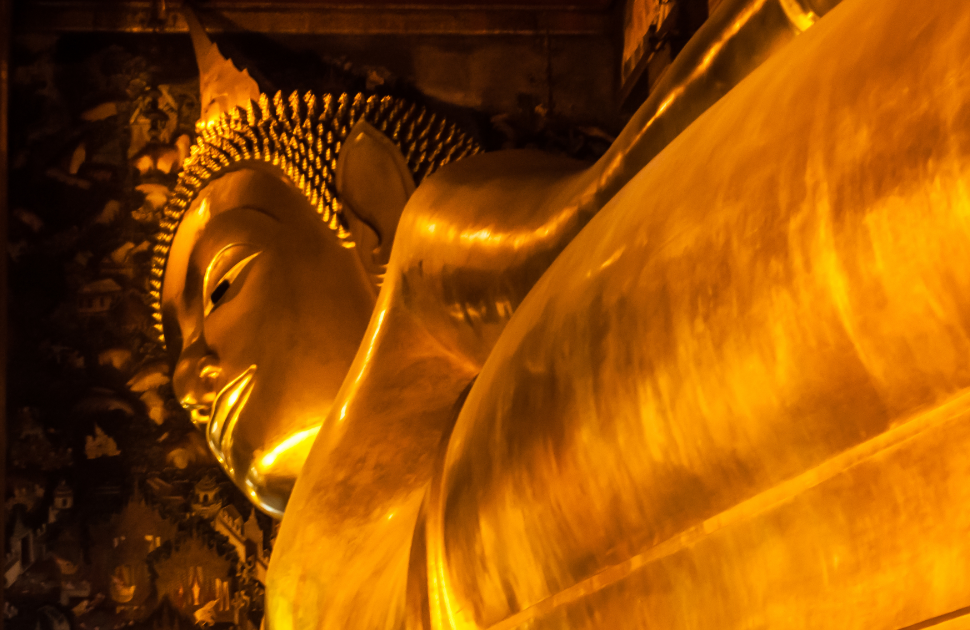
Monks cannot touch women or receive anything directly from a woman's hands. If you're a woman offering donations or receiving blessings, place items on a cloth the monk will provide, or have a man hand them over for you. Everyone should dress modestly in temples: cover shoulders, wear long pants or skirts, remove hats and sunglasses.
Don't sit higher than a monk or point your feet toward them. On public transport, give up your seat to monks. Photography is usually allowed in temple courtyards but ask before photographing monks directly. The rules aren't about discrimination but about religious tradition that dates back centuries.
5. Stand for the Royal Anthem
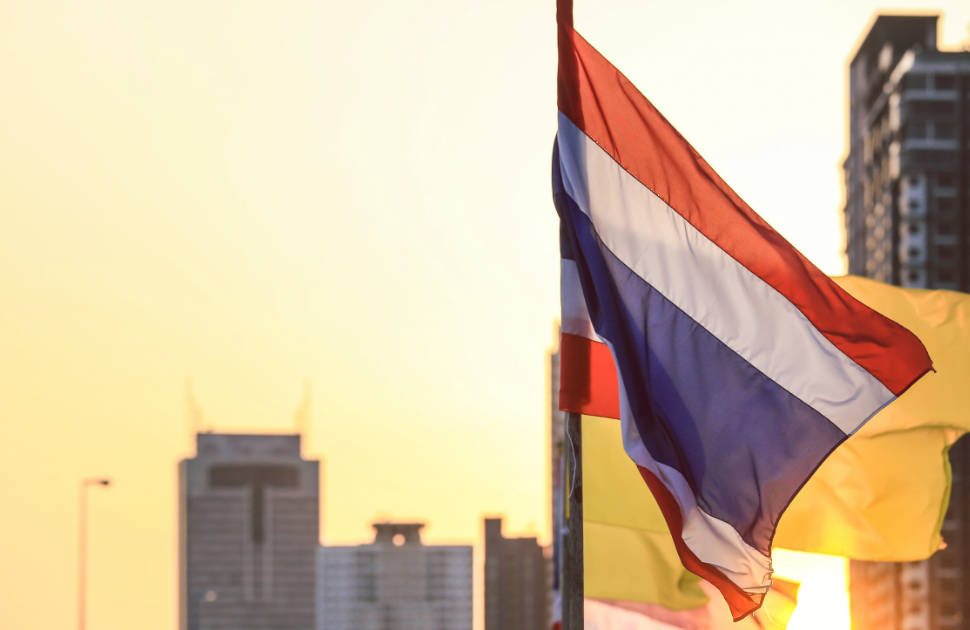
Before movies in Thai cinemas, everyone stands for the royal anthem. Before some concerts and events, the same thing happens. Stand up, stay quiet, and remain still until it's over. It lasts about 60 seconds. This isn't optional or symbolic, it's legally required and culturally expected.
The same respect applies to images of the royal family. Don't point at them, don't make jokes, and certainly don't post anything negative about the monarchy on social media while you're in Thailand. Lese majeste laws are serious and actively enforced.
6. Master the Basic Wai
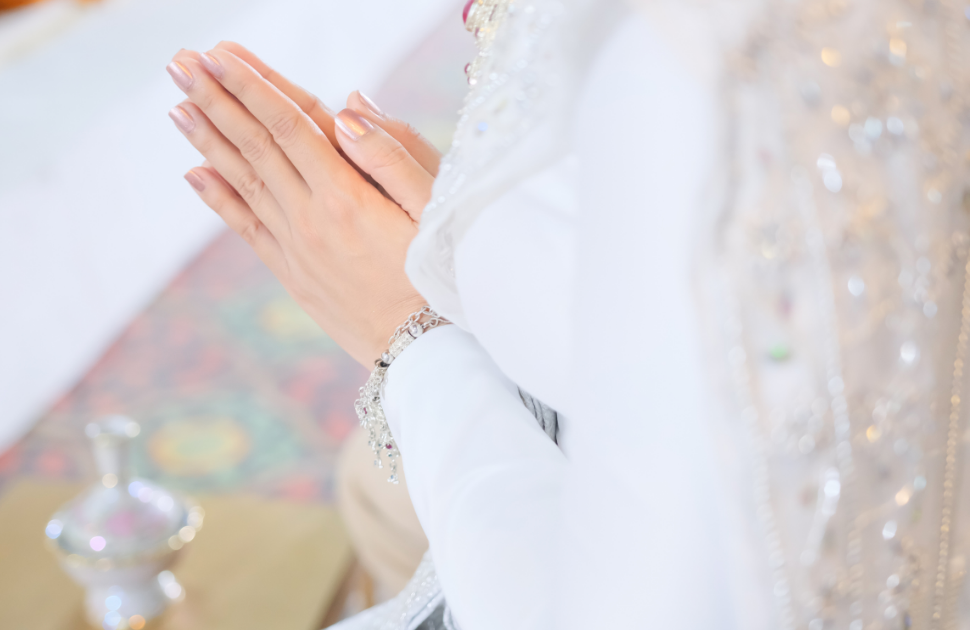
The wai (hands pressed together in prayer position, slight bow) is Thailand's traditional greeting. For most social situations, place your hands together at chest level and give a small nod. Higher hand position and deeper bows show more respect. You don't need to wai shopkeepers, taxi drivers, or people significantly younger than you, but returning a wai when someone gives you one is always polite.
Children, elderly people, monks, and anyone clearly in a service position to you (teachers, doctors) get a respectful wai. When in doubt, a small chest-level wai is never wrong. Don't wai with a cigarette or drink in your hands.
7. Dress Appropriately for Temples and Formal Places
Tank tops, shorts above the knee, see-through clothing, and flip-flops are fine for walking around Bangkok but not acceptable in temples, government buildings, or upscale restaurants. Many temples rent appropriate clothing at the entrance, but it's easier to carry a light scarf to cover shoulders and wear pants that cover your ankles.
This applies to both men and women. Some of Bangkok's most famous temples (Wat Phra Kaew, Wat Pho) are strict about dress codes and will turn you away. Pack a lightweight sarong or long-sleeve shirt you can throw on when needed.
8. Handle Money and Important Objects Respectfully
Never step on Thai money or treat it carelessly. Thai currency bears images of the royal family, so throwing coins, crumpling bills, or letting money fall on the ground shows disrespect. Hand money to people rather than placing it on counters when possible.
When receiving business cards, books, or formal documents, receive them with both hands and a slight bow. Don't immediately stuff a business card in your back pocket or write on it in front of the person who gave it to you.
9. Keep Your Voice Down in Public
Thais value sanuk (fun) but also composure. Loud conversations, phone calls, or laughter in restaurants, on public transport, or in shops can draw stares and make locals uncomfortable. This doesn't mean you can't enjoy yourself, just be aware of your volume level compared to the Thais around you.
Losing your temper publicly, even when frustrated with bureaucracy or bad service, will work against you. The concept of "losing face" is real, and helping someone save face while getting what you need is a skill worth developing.

10. Understand Thai Concepts of Personal Space
Physical contact between friends of the same gender is normal in Thailand, but public displays of affection between couples (holding hands is usually fine, kissing is not) can make people uncomfortable. Gay and lesbian couples should be particularly discrete with physical affection in public.
Pointing with your index finger is considered rude. Use an open hand or gesture with your chin instead. Don't beckon people with your finger either, use a downward waving motion with your whole hand.
11. Learn Basic Polite Phrases
"Krub" (for men) and "ka" (for women) are politeness particles that should end most sentences when speaking to Thais. "Khop khun krub/ka" (thank you), "mai pen rai" (no problem/you're welcome), and "khor thot" (excuse me/sorry) will get you far. Even basic attempts at Thai language are appreciated and show respect.
"Sanuk mai?" (Is it fun?) is a common way to ask how someone's day is going. Thais will be impressed if you can use "aroi" (delicious) when complimenting food, even if your pronunciation is imperfect.
12. Respect Elders and Hierarchy
Age and social position matter in Thai culture. Let older people go first, offer your seat to elderly passengers, and use respectful language with anyone clearly senior to you. In work situations, defer to hierarchy even when you disagree with decisions. Express disagreement privately and diplomatically.
At group dinners, wait for the eldest person to start eating before you begin. If you're the eldest person at the table, acknowledge the responsibility and make sure everyone is served before you start.
13. Handle Religious Objects and Spaces Carefully
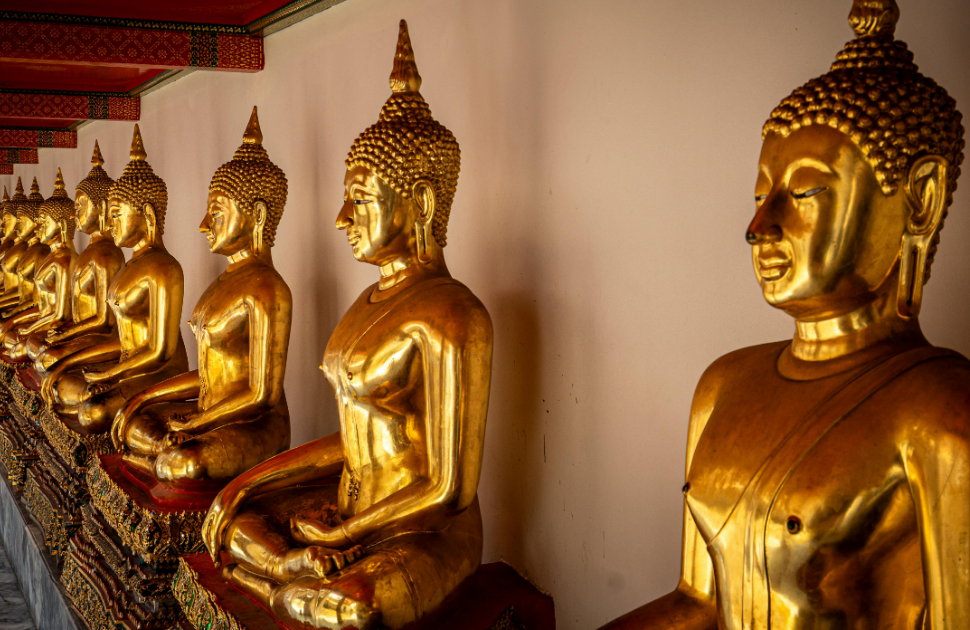
Buddha images, amulets, and religious texts require careful treatment. Don't touch Buddha statues, don't turn your back on them for photos, and don't place anything on top of religious objects. If you buy Buddhist amulets or artifacts, treat them respectfully.
In temples, walk clockwise around stupas and important buildings. Don't climb on religious structures for photos. If meditation or ceremonies are happening, observe quietly from a respectful distance.
14. Navigate Social Drinking Appropriately
Thailand has a complex relationship with alcohol. Many Thais don't drink for religious reasons, and Buddhism discourages alcohol consumption. Don't pressure anyone to drink, and don't drink in obviously inappropriate places like temples or government buildings.
If you're invited to drink with Thais, pace yourself to match the group. Drinking games and heavy drinking sessions happen, but getting obviously drunk while others remain composed will reflect poorly on you.
15. Understand "Face" and Indirect Communication
The concept of "face" (dignity, respect, social standing) governs many Thai interactions. Avoid causing someone to lose face through public criticism, corrections, or embarrassment. If you need to address problems, do it privately and diplomatically.
Thais often communicate indirectly. "Maybe" often means "no," and "difficult" often means "impossible." Learn to read between the lines rather than pushing for direct answers. When someone helps you save face in an embarrassing situation, acknowledge it with extra politeness.
Learning Thai etiquette isn't about walking on eggshells or losing your personality. It's about showing respect for the culture that's hosting you. Master these 15 rules, and you'll find that Thai people warm to you faster, help you more readily, and include you more naturally in local life. That transformation from obvious outsider to welcome guest? It's worth every polite "krub" and careful shoe removal along the way.