PM2.5 Apps and Air Purifiers: Bangkok Expat's Guide to Breathing Cleaner
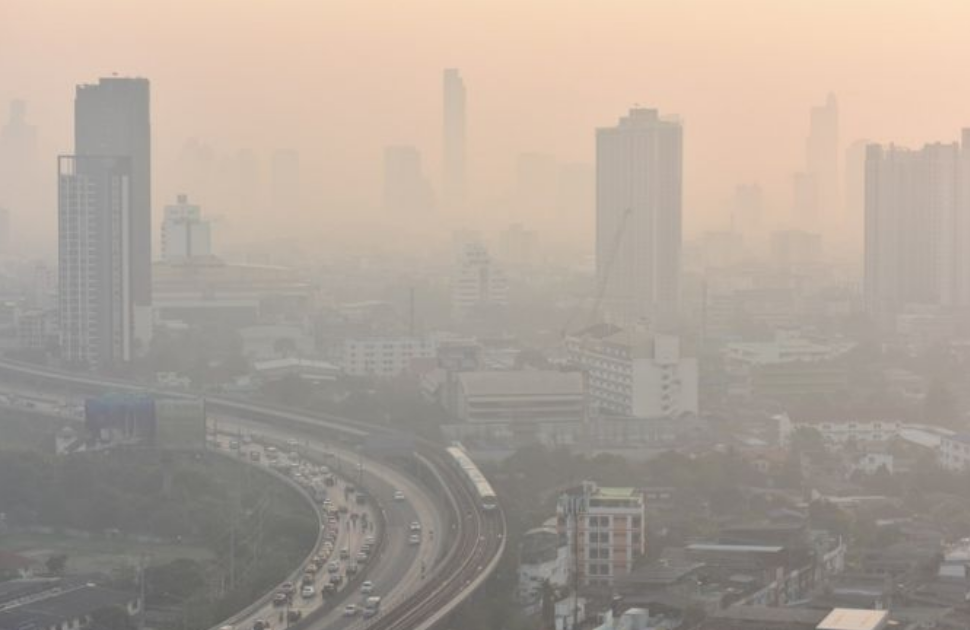
Whether you've just moved to Bangkok and noticed the haze hanging over the city, or you've been here for years and finally want to take air quality seriously, understanding PM2.5 levels and protecting yourself indoors isn't optional anymore. It's basic Bangkok survival.
The reality is this: Bangkok's air pollution varies wildly by season, neighborhood, and even time of day. During burning season (February to April), AQI readings can spike above 150, putting everyone in the "unhealthy" range. The rest of the year hovers between "moderate" and "unhealthy for sensitive groups." Here's how to monitor what you're breathing and clean the air in your home without spending a fortune or falling for marketing nonsense.
Why PM2.5 Matters More Than Overall AQI
PM2.5 particles are 2.5 micrometers or smaller, roughly 30 times smaller than the width of a human hair. They penetrate deep into your lungs and bloodstream, causing everything from respiratory irritation to cardiovascular problems over time. Bangkok's PM2.5 problem comes from vehicle exhaust, construction dust, and seasonal agricultural burning across Southeast Asia.
The key insight most expats miss: overall AQI readings can be misleading because they average multiple pollutants. PM2.5 might be dangerously high while the overall AQI looks moderate. Always check PM2.5 specifically.
Safe levels according to WHO guidelines are below 15 μg/m³ annually and 45 μg/m³ daily. Bangkok regularly exceeds both limits.
The Two Apps That Actually Matter
AirVisual (Now IQAir AirVisual)
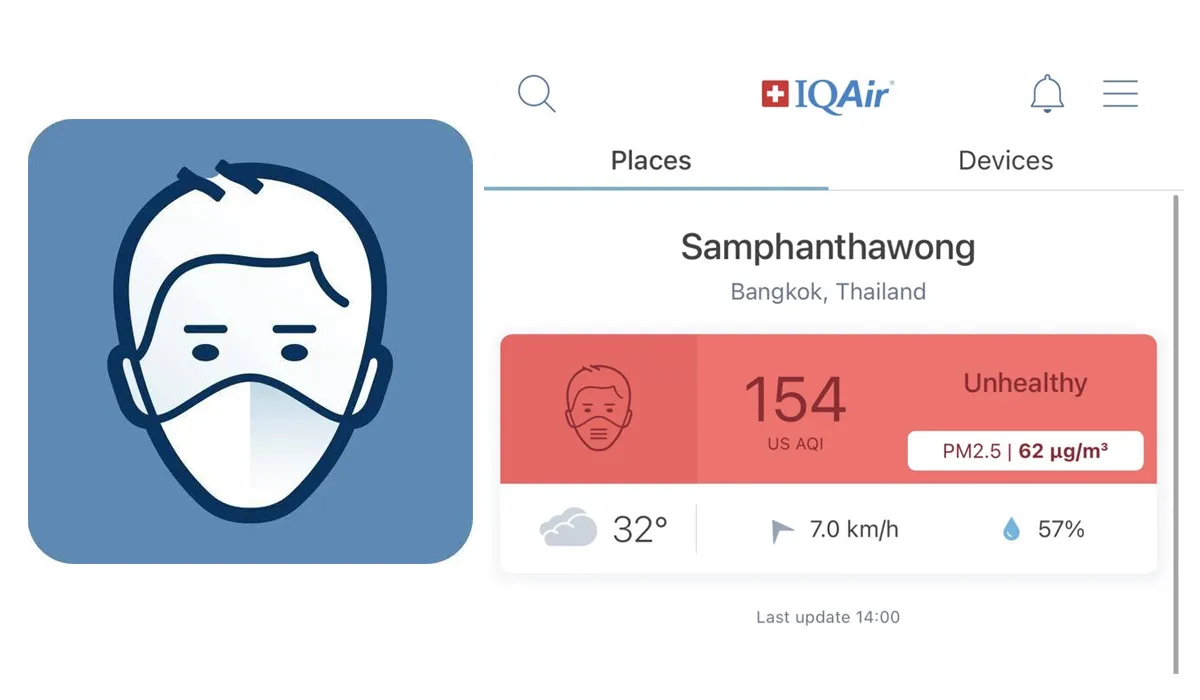
AirVisual remains the gold standard for Bangkok air quality monitoring. The app pulls data from government monitoring stations plus their own network of community sensors across the city.
What makes it essential: hyperlocal data. Air quality in Thonglor can be significantly different from Silom on the same day. AirVisual shows you readings from the monitoring station closest to your exact location, updated hourly.
The interface is clean and informative without being overwhelming. You get current PM2.5 readings, hourly forecasts, and seven-day predictions. The health recommendations are actually useful, telling you when to avoid outdoor exercise or when sensitive individuals should stay indoors.
Download the free version first. The premium subscription (around 100 baht monthly) adds detailed forecasts and historical data, but the free version covers everything most people need.
One limitation: during peak pollution events, the app can be slow to update as servers get overloaded. Keep a backup option ready.
Plume Labs Air Report
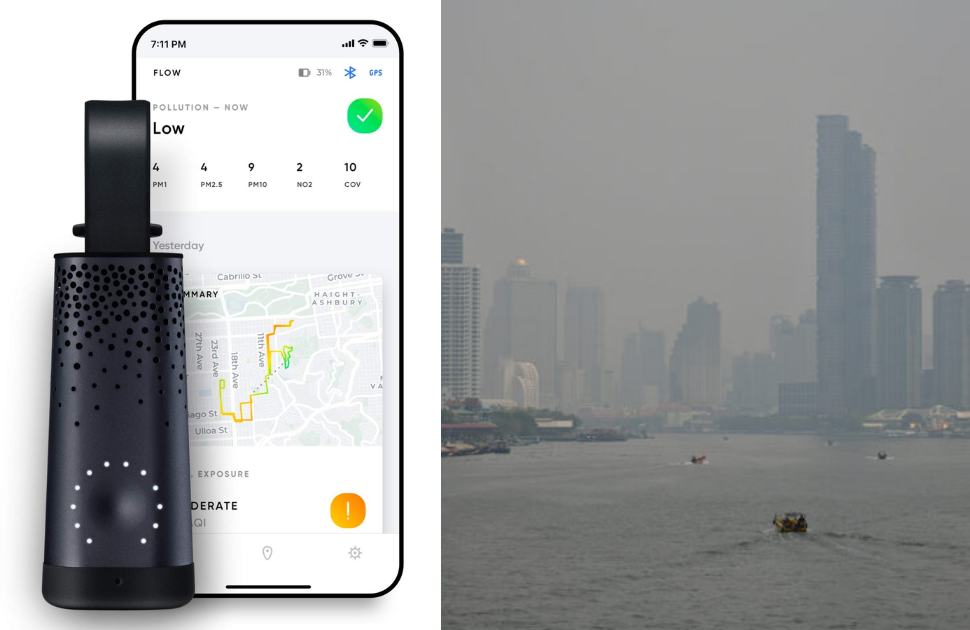
Less well-known among Bangkok expats but equally reliable, Plume Labs offers a different approach to air quality data. Instead of raw numbers, it focuses on health impact and actionable advice.
The standout feature is its pollution forecast accuracy. While AirVisual excels at current conditions, Plume Labs consistently provides better predictions for the next 24-48 hours. This matters when you're planning outdoor activities or deciding whether to run your air purifier overnight.
The app also includes a "pollution exposure" tracker that estimates your daily intake based on your location and activities. Somewhat gimmicky, but useful for understanding how your daily routine affects your exposure.
Interface-wise, it's more colorful and gamified than AirVisual. Some users find this engaging; others prefer AirVisual's straightforward approach.
What These Apps Won't Tell You
Both apps have blind spots. They can't measure indoor air quality, which varies dramatically based on your building's ventilation, floor level, and proximity to major roads. They also struggle with microclimates created by construction sites, heavy traffic intersections, or industrial areas.
For a complete picture, pay attention to visual cues alongside app data. If you can see haze from your window or smell exhaust indoors, your personal exposure is likely higher than the nearest monitoring station suggests.
Air Purifier Reality Check: What Works in Bangkok
Bangkok's air purifier market is flooded with expensive imports, cheap knockoffs, and marketing claims that don't match real-world performance. Here's what actually works based on local conditions and reasonable budgets.
The HEPA Filter Requirement
Any purifier worth buying in Bangkok must have a True HEPA filter rated to remove 99.97% of particles 0.3 microns and larger. This covers PM2.5 effectively. Avoid anything labeled "HEPA-type" or "HEPA-like." These are marketing terms for inferior filters.
Room size matching is critical. Most purifier specifications assume ideal conditions (sealed room, no additional pollution sources). In Bangkok, with windows occasionally opened and ongoing outdoor pollution, buy a unit rated for 1.5-2 times your actual room size.
Xiaomi Mi Air Purifier 3H: The Practical Choice
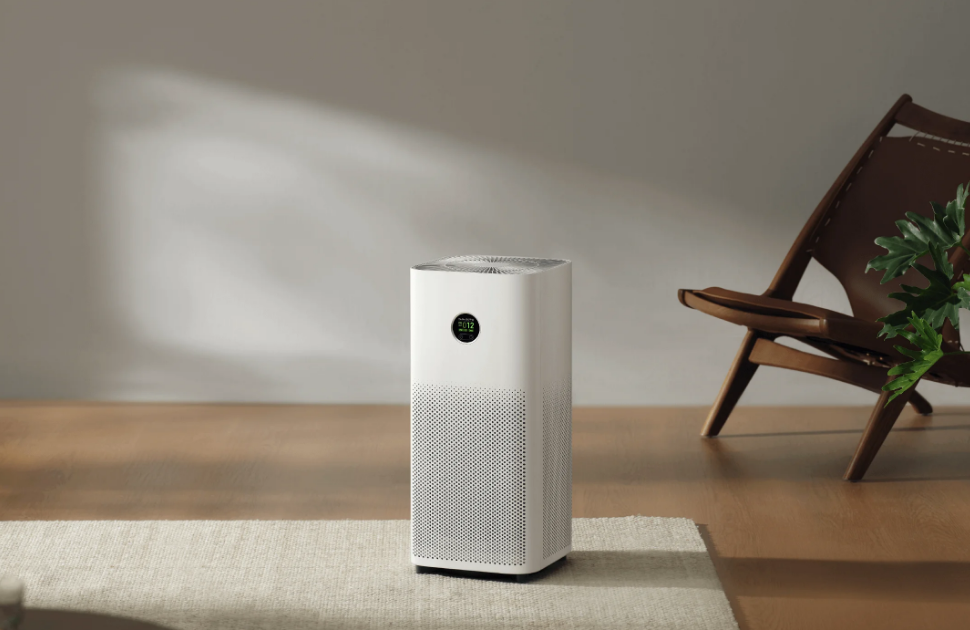
Price range: 6,000-8,000 baht. Available at Shopee Mall with official warranty.
This hits the sweet spot of performance, features, and local availability. The 3H handles rooms up to 45 square meters effectively, includes laser particle sensing for real-time monitoring, and connects to your phone for remote control and air quality tracking.
The built-in display shows current PM2.5 levels, so you can see exactly how much cleaner your indoor air is compared to outside. Auto mode adjusts fan speed based on detected pollution levels, running quietly when air is clean and ramping up during high-pollution periods.
Filter replacement costs around 1,500 baht every 6-12 months depending on usage and outdoor air quality. Genuine filters are readily available in Bangkok, unlike some international brands.
One caveat: the app requires a Xiaomi account and internet connection. If you prefer purely offline operation, look elsewhere.
Philips AC1215/20: The Reliable Alternative
Price range: 9,000-12,000 baht from official Philips retailers.
Slightly more expensive but built for tropical conditions with higher humidity tolerance. The AC1215 covers rooms up to 63 square meters with a three-stage filtration system: pre-filter, HEPA, and activated carbon for odor removal.
The numerical display shows real-time PM2.5, allergen levels, and filter life remaining. No app dependency, which some users prefer. Build quality feels more substantial than the Xiaomi, and customer service is more accessible in Bangkok.
Filter costs are higher (around 2,500 baht for the set) but last longer in practice. Philips has official service centers in major Bangkok shopping centers.
DIY Air Purifier: Box Fan Method
For temporary solutions or budget constraints, the box fan plus filter method works surprisingly well. Tape a 20x20 inch HEPA filter to the intake side of a standard box fan. Total cost: under 2,000 baht.
This setup moves more air than most commercial purifiers and costs a fraction of the price. It's louder and less elegant, but for a spare bedroom or short-term rental, it's highly effective.
Buy filters from Home Pro or Global House. Look for MERV 13 or higher ratings. Avoid fiberglass filters, which are ineffective for fine particles.
When to Run Your Purifier
Don't run air purifiers 24/7 unless pollution levels consistently exceed 75 μg/m³. This wastes electricity and shortens filter life unnecessarily.
Instead, monitor your apps and run purifiers during high pollution periods (typically early morning and evening rush hours) and overnight in bedrooms. Most quality purifiers can clean a room's air 4-5 times per hour, so running for 2-3 hours often maintains good air quality for 6-8 hours.
During burning season, continuous operation becomes necessary. Budget for higher electricity costs and more frequent filter changes during these months.
Clean indoor air in Bangkok requires both monitoring and action. AirVisual gives you the data, a properly sized HEPA purifier gives you the solution, and understanding both puts you ahead of most expats who either ignore air quality entirely or waste money on ineffective solutions.
Start with the free apps and a mid-range purifier for your bedroom. You'll sleep better, breathe easier, and have actual data about the air you're breathing instead of just hoping for the best.