
Songkran and Water Scarcity: The Festival's Hidden Tension
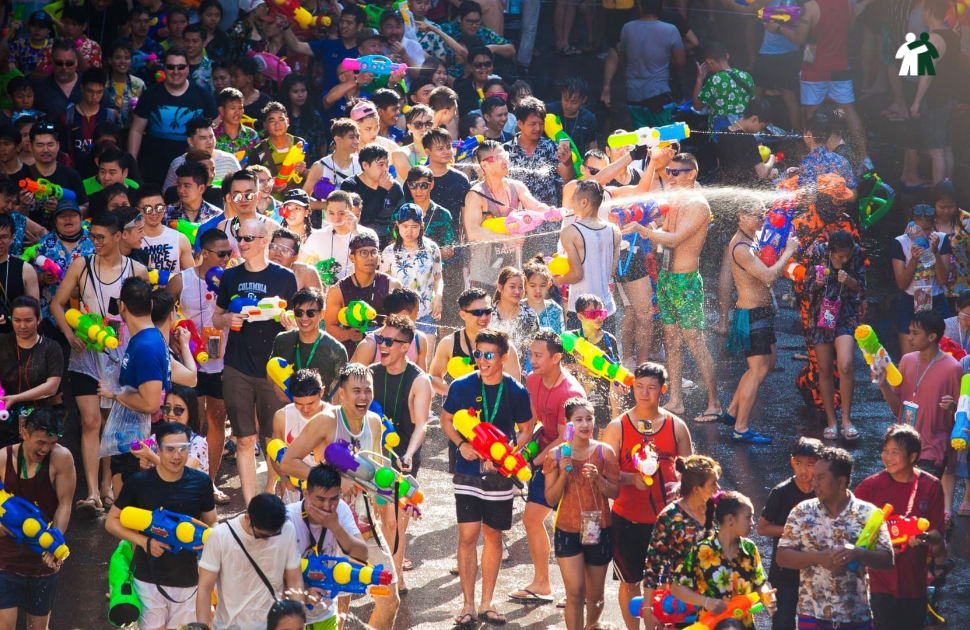
Standing knee-deep in the Silom Road water fight, watching thousands of revelers empty bucket after bucket of precious H2O onto hot pavement, I couldn't shake a nagging thought: Bangkok's reservoirs were sitting at 47% capacity. The irony felt as sticky as the humid air around me.
Songkran, Thailand's beloved New Year celebration, transforms the entire kingdom into the world's largest water fight for three days every April. It's joyous, it's tradition, it's Thailand at its most playful. It's also an environmental paradox that nobody wants to talk about during the country's driest season.
The Numbers Don't Lie About Water Usage
Let me be clear: I'm not suggesting we cancel Songkran. The festival predates every environmental concern by centuries, and cultural preservation matters. But ignoring the math doesn't make it disappear.
Bangkok alone uses an estimated 300 million liters of additional water during the three-day festival. That's enough to supply the city's regular needs for six hours. Across Thailand, where 67 million people participate in water festivities, the numbers become staggering.
The timing makes it worse. April sits squarely in Thailand's dry season, when reservoir levels drop to their annual lows and farmers pray for rain. It's precisely when water conservation should matter most.
Beyond the Tourist Zones
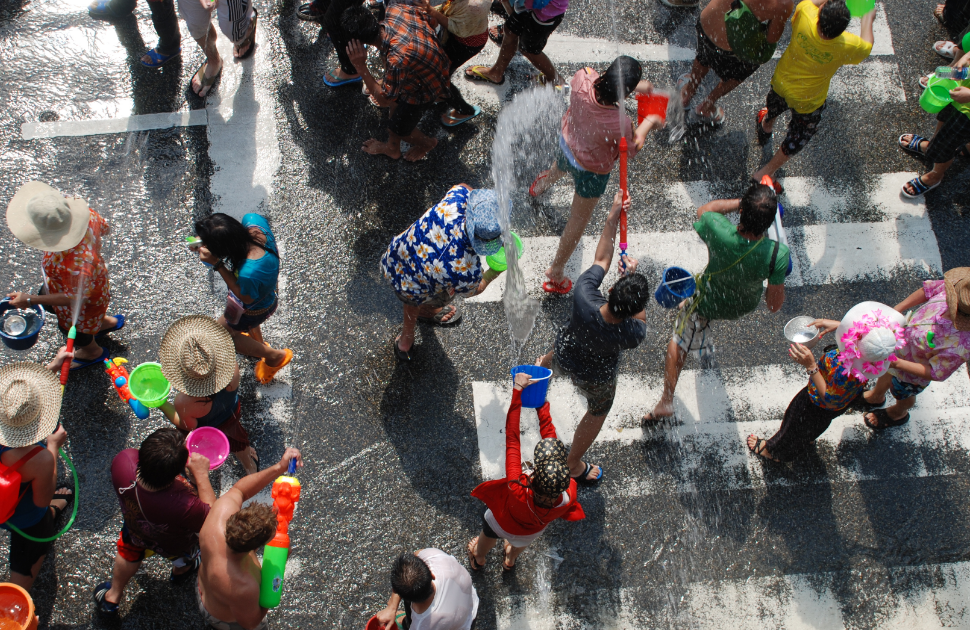
Travel beyond the Instagram-friendly water fights of Khao San Road or Chiang Mai's Old City, and you'll find a different Thailand. In Isaan provinces like Buriram and Surin, village headmen sometimes impose voluntary water restrictions during Songkran week. Not because they're killjoys, but because their wells run low.
I spent last year's Songkran in a village outside Ubon Ratchathani, where the local celebration looked nothing like Bangkok's chaos. Families used small bowls to gently pour water over elders' hands in the traditional blessing ceremony. Children played with water guns, but the games lasted hours, not minutes. Every drop mattered because every drop was finite.
"City people think water comes from taps," said the 67-year-old farmer. "We know it comes from the sky and the ground, and we know both can disappear."
The Evolution of Excess
Traditional Songkran wasn't a three-day water war. The original ceremony involved gently pouring scented water over Buddha statues and elders' hands as a mark of respect and purification. The playful water throwing was limited, symbolic, and brief.
Commercial tourism changed everything. Hotels began organizing pool parties. Shopping malls installed giant water play areas. Tourists arrived expecting Super Soaker battles and bucket brigades. What started as ritual became recreation.
The Bangkok Tourism Authority now promotes Songkran as "the world's biggest water fight." Marketing success, environmental blindness.
Small Changes, Big Impact
This isn't about shaming anyone who participates in Songkran water fights. I've been soaked on Silom Road more times than I can count, and I'll probably be back this year. But awareness creates options.
Some communities are quietly pioneering alternatives. Among younger Thais especially, a quieter conversation has been growing about what Songkran means beyond the water, and whether the festival can hold both its joy and its restraint at the same time. It is too early to call it a movement. But it is no longer just an idea.
The Path Forward
Thailand faces a choice that extends far beyond Songkran. Climate change is making dry seasons longer and wet seasons less predictable. The Thai Meteorological Department's latest projections show rainfall could drop 30–40% below normal levels, leading to high drought risks in many areas. Water abundance can't be assumed forever.
The solution isn't canceling Songkran or eliminating water play. It's evolution, not elimination. Festivals can adapt while preserving their spiritual core. Technology can help, but behavior change matters more.
Songkran will survive regardless. The question is whether Thailand's water resources will survive Songkran's continued growth in its current form. That answer might determine more than just one festival's future. Remember: water is finite, tradition is flexible, and joy doesn't require waste.